
interviewsArchive
Special Conversation: Historian David Reamer on Pandemics in Alaska
From the Crude Magazine Archive.
Adjust the website's display to match your visual and cognitive needs. Your preferences are saved automatically on this device.
Enhance color intensity to improve readability.
Increase the global font size by 10%.
Override custom typography with a standard system font.
Add prominent underlines to all clickable hyperlinks.
Disable movement, scrolling effects, and transitions.
Apply OpenDyslexic weighted typeface for easier reading.
Priscilla Hensley is a writer and a documentarian. Before she started working on documentaries, her job history was varied — she had worked in communi...
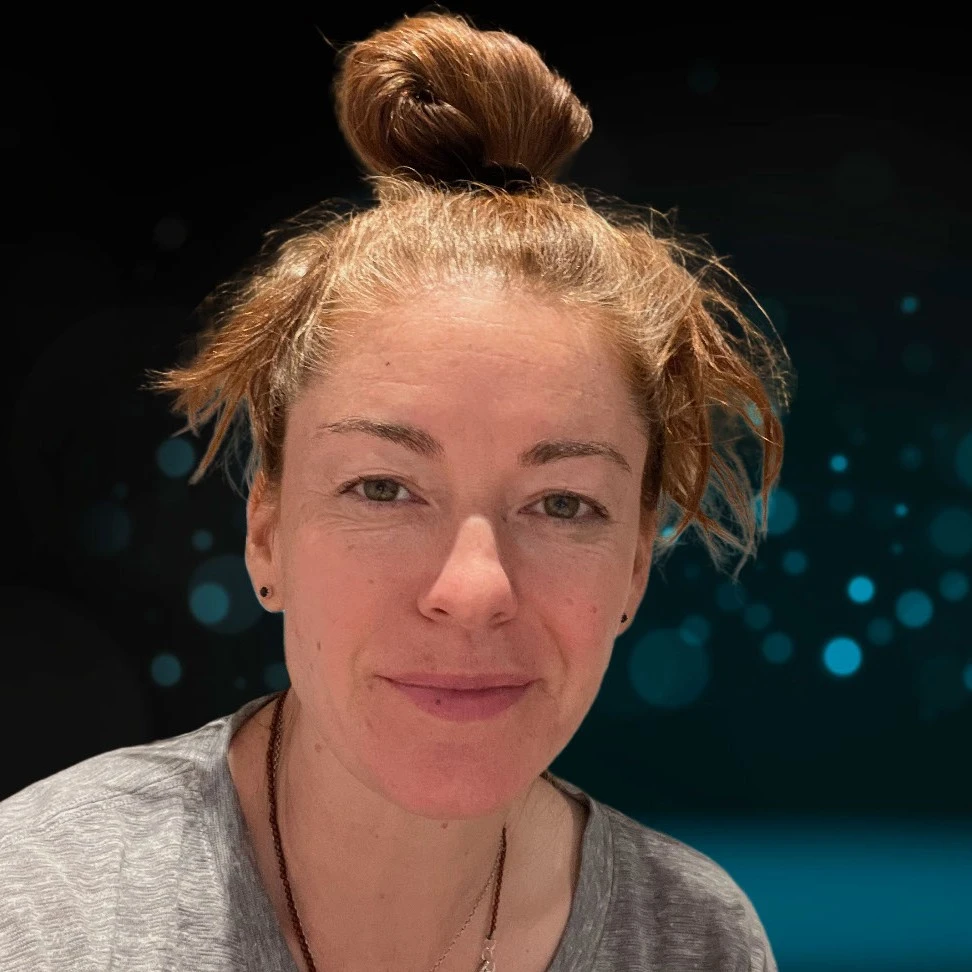
Priscilla Hensley is a writer and a documentarian. Before she started working on documentaries, her job history was varied — she had worked in communications and, having made a few short films herself, had some prior knowledge of filmmaking. There was also a period of time when she considered herself a poet. All these jobs have helped her to become a jack-of-all-trades. Her time in communications has helped a lot with her documentary work because so much of filmmaking is about logistics and making things happen. Her poetry has helped with her screenwriting. She says that the most important thing she’s learned about screenwriting is to start. Just put the story on paper. You don’t need to have great spelling, you can drop words, and you don’t need to storyboard everything. Just start writing. And then, later, you can worry about editing and rewriting.
Priscilla grew up recognizing and honoring her Inupiaq heritage. Her dad, William Hensley, is a key figure in Alaska Native land rights. He’s known for his role in the creation of the Alaska Native Claims Settlement Act. As a result of the act, Alaska Natives retained 44 million acres of land and about 1 billion dollars to settle Indigenous land claims in Alaska. Growing up around all of this is a big reason she pursues telling the stories that she does. The first documentary she worked on, for example, was “[We Up](https://www.anchoragemuseum.org/major-projects/projects/we-up/),” a film about Indigenous hip hop of the circumpolar North. It was produced by the Anchorage Museum. In addition to it being a family affair — her husband also worked on the film and their children tagged along — it introduced her to the power of filmmaking.
Priscilla has tattoos that commemorate her roots and her heritage. She gets them with her cousin every time she goes back to Alaska. The most recent one is on her hand, so she sees it when she’s writing or operating a camera. She says that she loves seeing her tattoos when she works because they’re a visual reminder of who she is, how she wants the world to see her, and her responsibility to being true to herself, her family and her community.
From the Crude Magazine Archive.
 EP 140
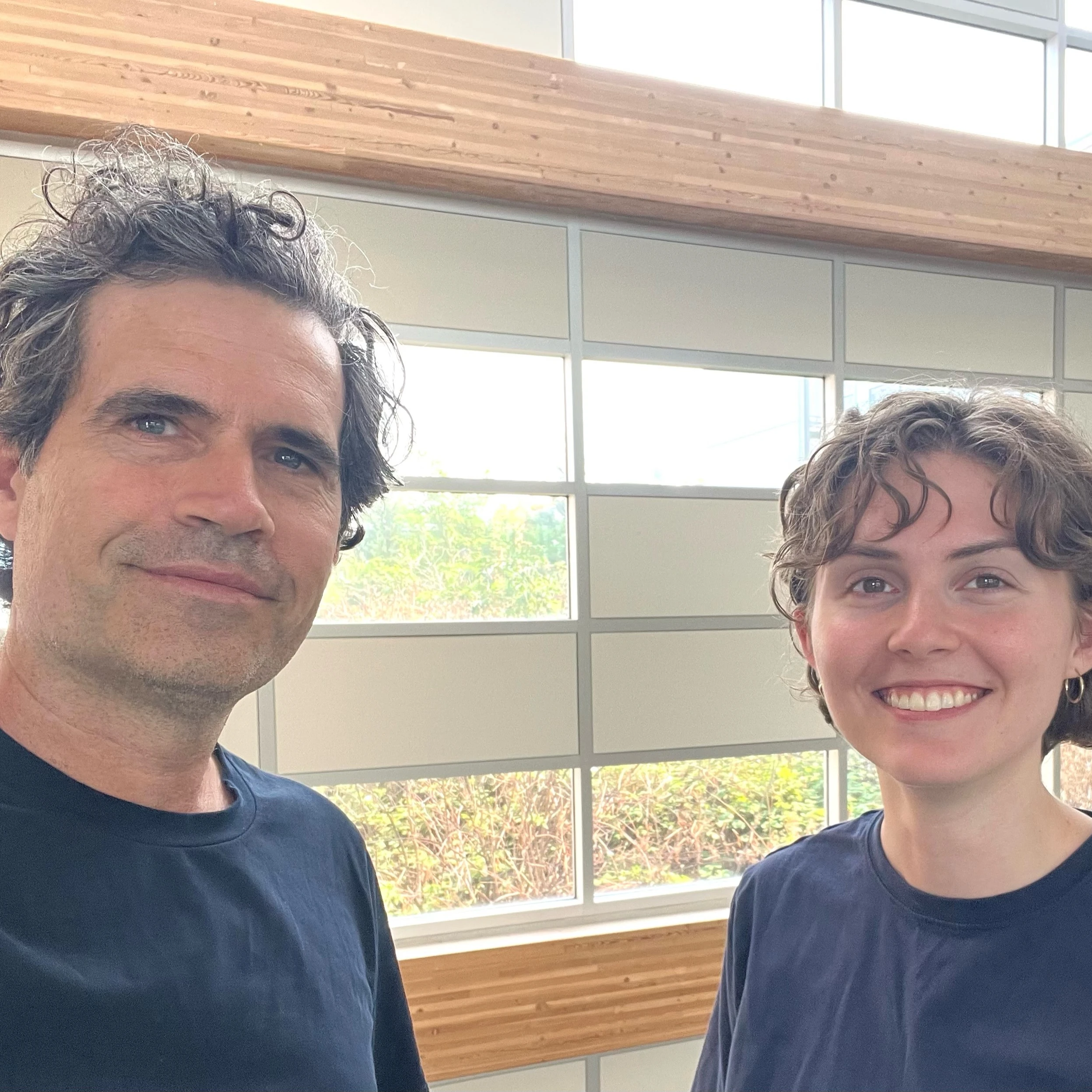
Joseph Dahmen is an architect and the founder of the Biogenic Architecture Lab at the University of British Columbia. The lab’s lead designer, Isobel ...
 EP 040
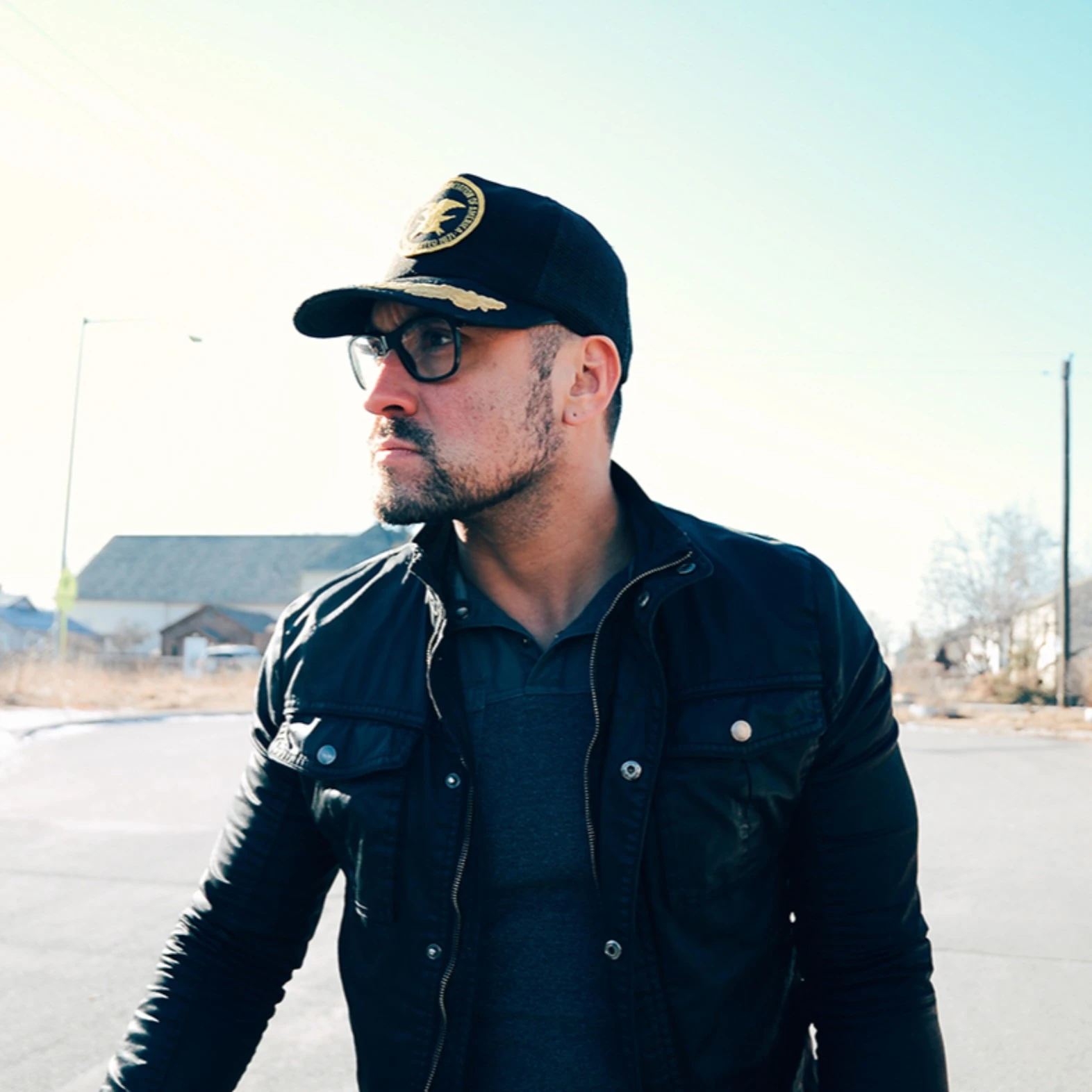
Charles J. Tice is a visual and literary creative in Anchorage, Alaska with an emphasis on photography and gonzo journalism. He's currently in-residen...