 EP 042
interviewsAudio
Chatter Marks EP 042 Navigating two different cultures with Nyabony Gat
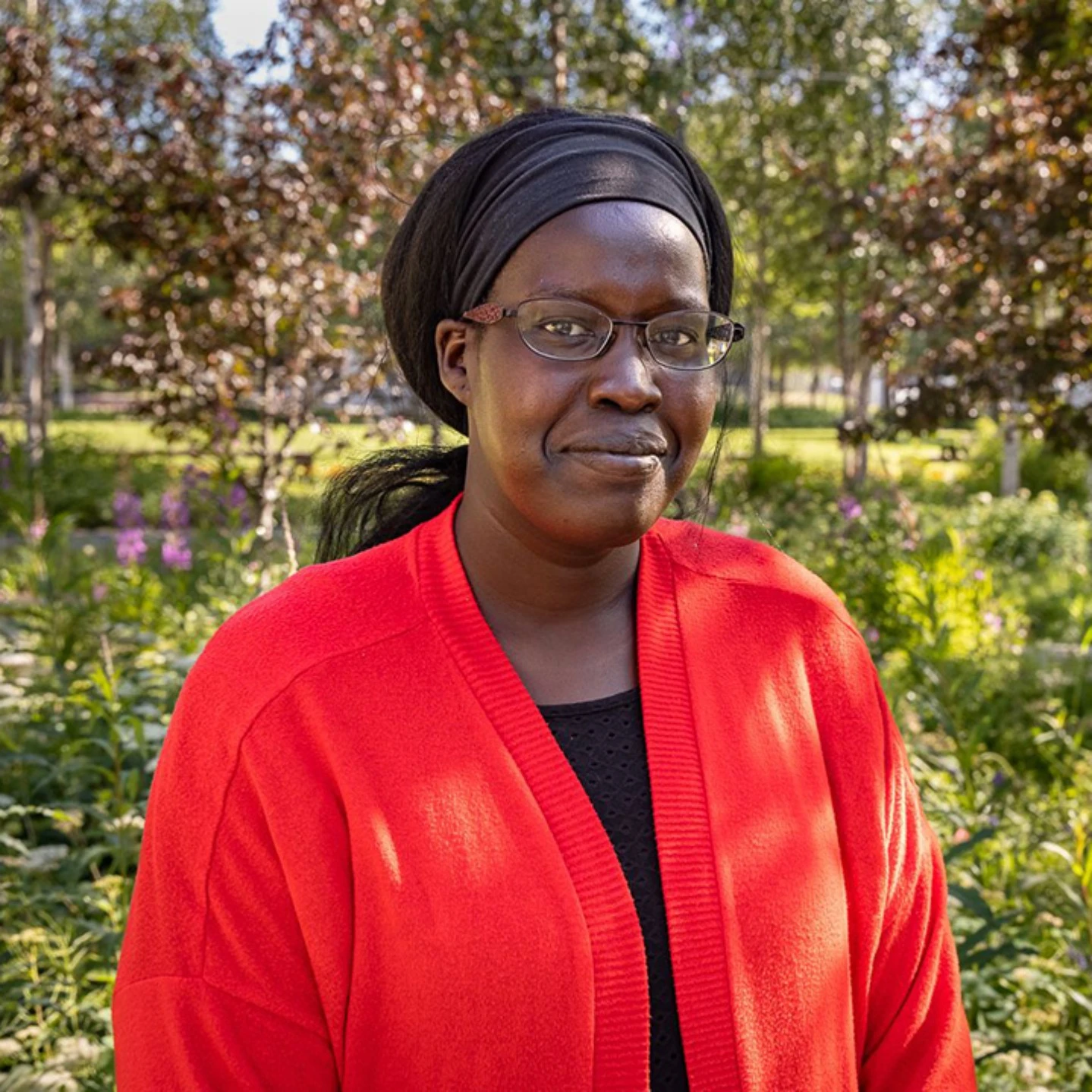
Nyabony Gat says that her immigrant story started 22 years ago. In 1992, when her parents and older siblings fled from South Sudan and found refuge in...
Adjust the website's display to match your visual and cognitive needs. Your preferences are saved automatically on this device.
Enhance color intensity to improve readability.
Increase the global font size by 10%.
Override custom typography with a standard system font.
Add prominent underlines to all clickable hyperlinks.
Disable movement, scrolling effects, and transitions.
Apply OpenDyslexic weighted typeface for easier reading.
Monica Shah is the Deputy Director of Collections and Conservation at the Anchorage Museum. She’s interested in the things that we surround ourselves ...
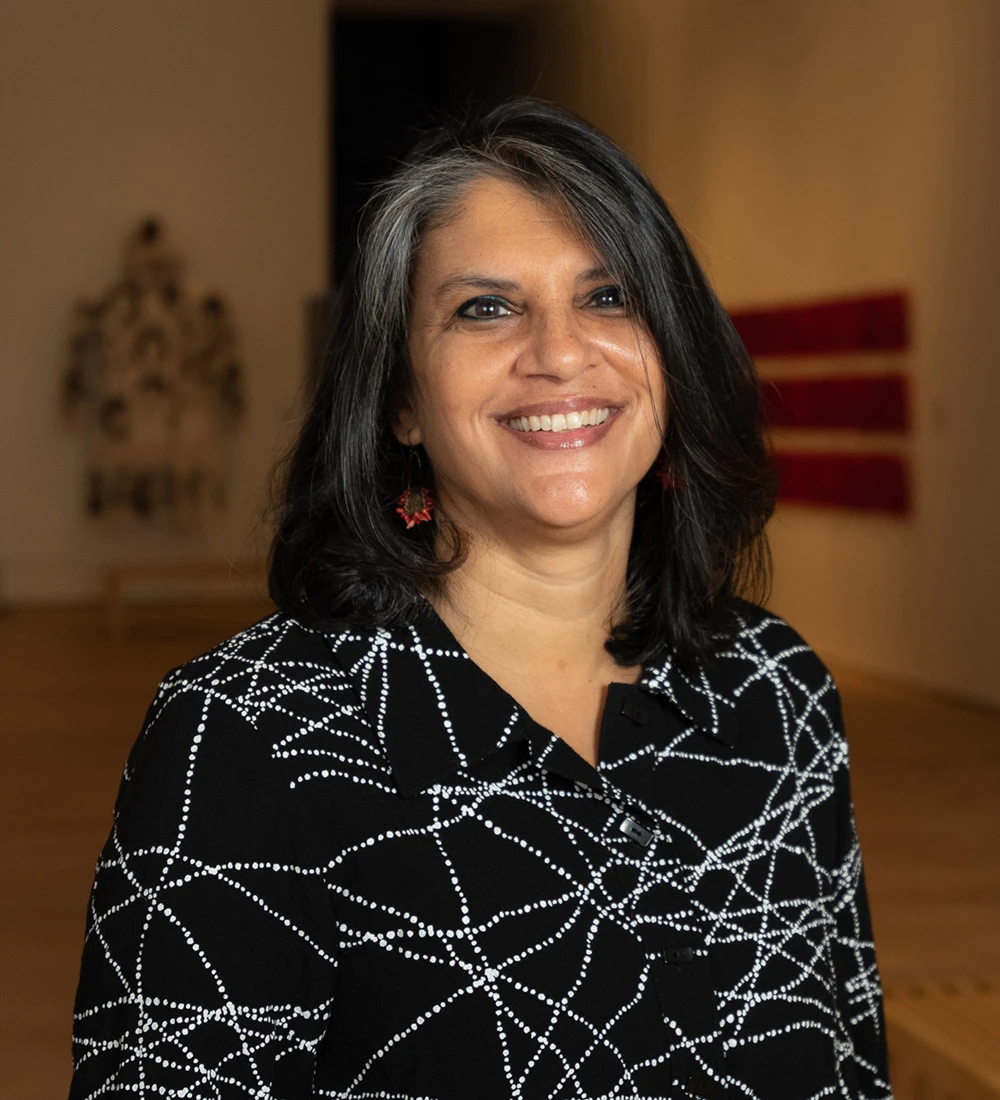
Monica Shah is the Deputy Director of Collections and Conservation at the Anchorage Museum. She’s interested in the things that we surround ourselves with, the things that bring us comfort, familiarity and memories. Manifestations of culture and identity. These materials are important to us because they embody our stories. In areas affected by war, for example, we see people rallying behind architecture, art and religious structures. These things are targeted because by destroying them you dehumanize the people they belong to and subjugate them. The opposite is also true, that by creating these materials people are reinforcing their connections with each other and with their community. These concepts — creation, destruction and subjugation — weigh heavily on Monica in the work she does at the Museum.
But why do museums have items from other cultures in their collections? This is an important question that museums around the world have been grappling with. For their part, the Anchorage Museum has put a lot of effort into decolonizing their collections. Sometimes this means working with Alaska Native communities to ensure that cultural materials are displayed accurately. Other times, it means giving them back. In both cases, the goal is to honor the origins of the materials and the culture and lifeways they represent. To understand this from a western point of view, you only have to imagine having something like a family heirloom or a personal keepsake or a diary taken from you without permission and then displayed for all the world to see.
EP 042Nyabony Gat says that her immigrant story started 22 years ago. In 1992, when her parents and older siblings fled from South Sudan and found refuge in...
 EP 064
Mary Mattingly is an interdisciplinary artist who builds sculptural ecosystems that address human consumption and resilience, with an underlying theme...
 EP 055