
 EP 031
Chatter Marks EP 130 Cold War cakes with Julia O’Malley
Julia O’Malley is a journalist, a cook, a baker, and lately she’s been researching and re-creating Cold War cakes. During the Cold War era—roughly the...
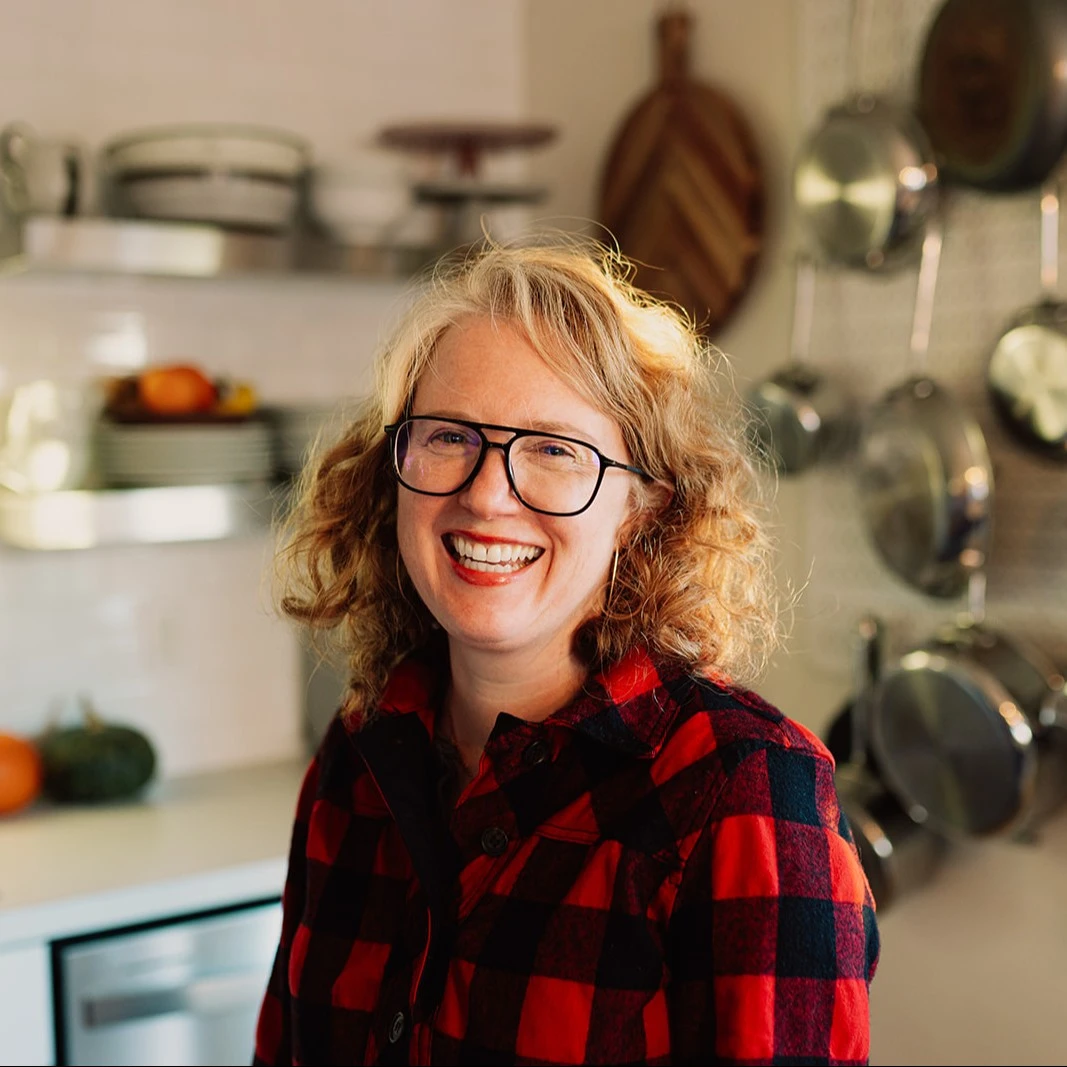
Julia O’Malley is a journalist, a cook, a baker, and lately she’s been researching and re-creating Cold War cakes. During the Cold War era—roughly the decades between the end of World War II and the early 1990s—cake mix transformed a food once associated with luxury into something democratic, something anyone could make at home. Julia says that those boxed mixes, and the recipes people built around them in the ‘70s and ‘80s, are more than just dessert. They’re cultural artifacts that reveal how women navigated creativity, expectation, and changing ideas about domestic life. They reflect a moment when women were entering the national conversation from within domestic space. Experimenting, adapting, and reshaping expectations. That shift raised a question inside the kitchen itself: What happens when packaged ingredients, appliances, and new food technologies promise women time—time to work, to control their finances, and to claim a larger role in public life?
In Alaska, where fresh ingredients were often scarce and communities had long relied on shelf-stable foods, brought in through supply chains and institutional systems, cake mixes made a lot of sense. For generations, Alaskans have adapted to what’s available—working with canned goods, powdered ingredients, and foods designed to travel long distances before reaching the table. A box of cake mix fit easily into that reality. Julia has been tracing these stories through old cookbooks and community recipes, even digging into ones from boomtown Fairbanks in 1909, to understand how something as ordinary as cake can tell us about women’s lives, shifting ideas of feminism, and the creativity that unfolded in Cold War kitchens. Because food, Julia says, is always a story. It’s one of history, origin, climate, and longing. And in the Cold War kitchen, when the threat of nuclear annihilation hovered in the background of daily life, even something as simple as baking a cake could feel like a small act of reassurance.
Crude
Keep Reading
All storiesEP 031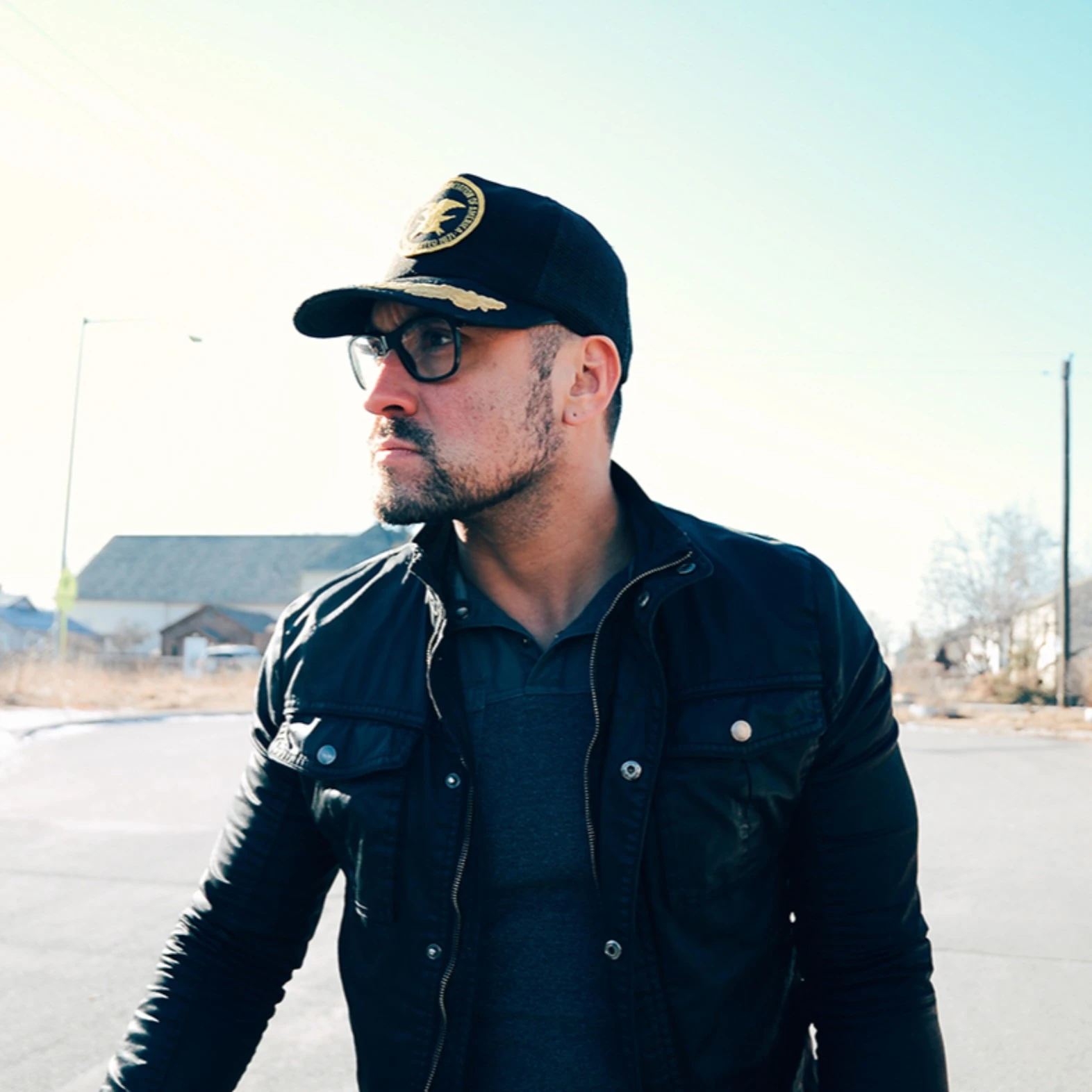 EP 040
interviewsAudio
Chatter Marks EP 40 Infusing life and art with Charles J. Tice
Charles J. Tice is a visual and literary creative in Anchorage, Alaska with an emphasis on photography and gonzo journalism. He's currently in-residen...
 EP 039
interviewsAudio
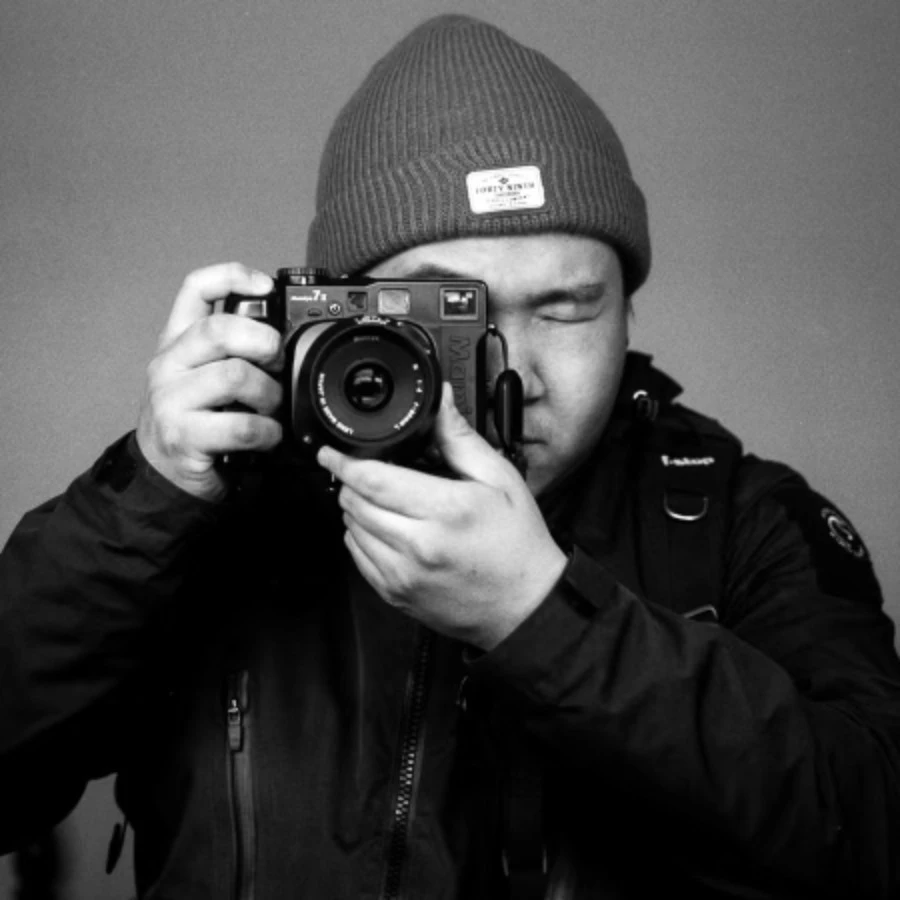
Chatter Marks EP 039 Searching for community with Young Kim
Photographer Young Kim says that it’s weird to live in a place that’s so big and so busy that people aren’t checking up on each other. He prefers smal...