 EP 002
interviewsArchive
"lost anchorage" EP 02 with Allan Barnes
From the Crude Magazine Archive.
Adjust the website's display to match your visual and cognitive needs. Your preferences are saved automatically on this device.
Enhance color intensity to improve readability.
Increase the global font size by 10%.
Override custom typography with a standard system font.
Add prominent underlines to all clickable hyperlinks.
Disable movement, scrolling effects, and transitions.
Apply OpenDyslexic weighted typeface for easier reading.
Caroline Van Hemert is a wildlife biologist, writer, and researcher whose work moves between science, story, and the lived experience of wild places. ...
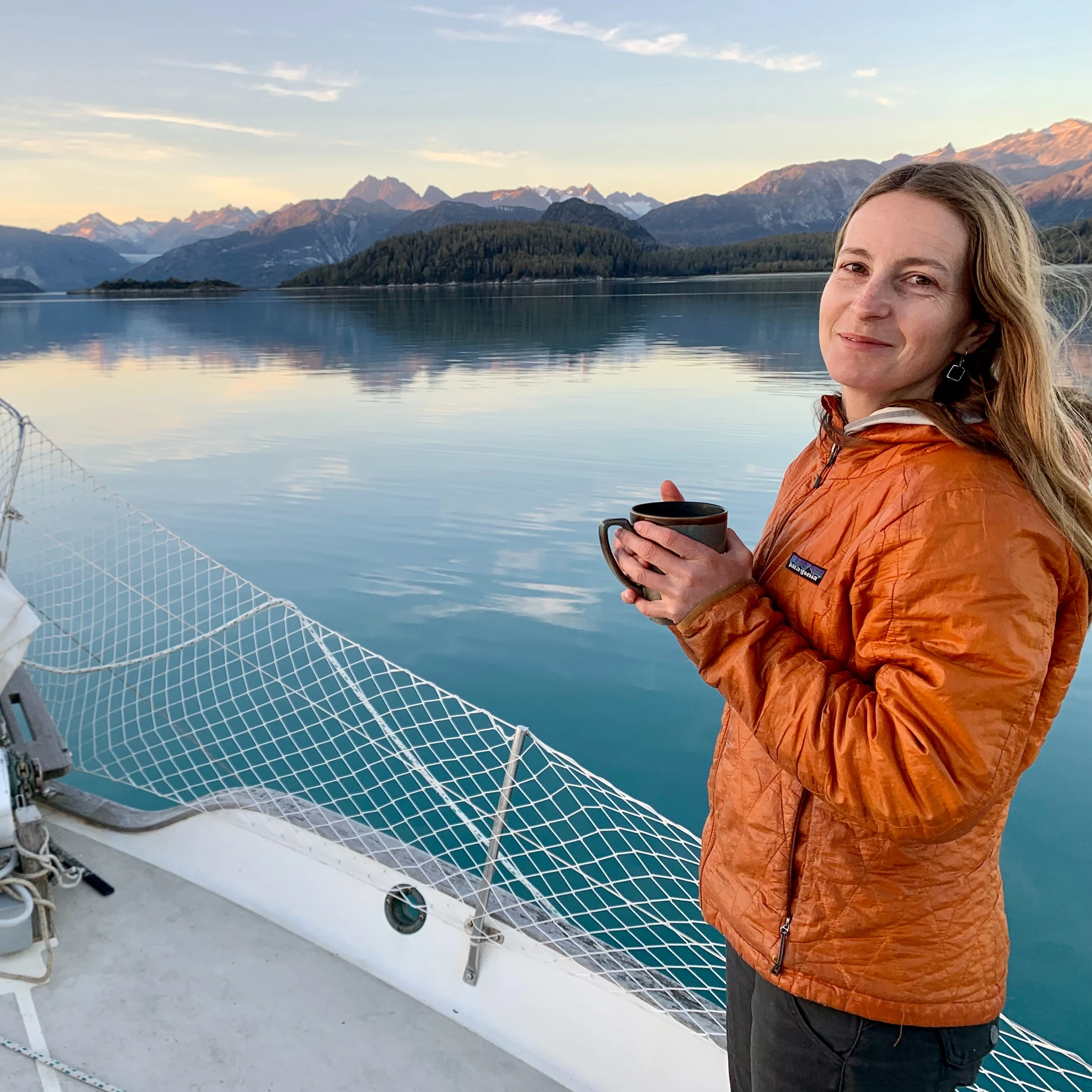
Caroline Van Hemert is a wildlife biologist, writer, and researcher whose work moves between science, story, and the lived experience of wild places. She’s based in Alaska, where she’s spent years studying migratory birds and the shifting ecosystems they move through, paying close attention to how climate change is reshaping patterns that have existed for generations. She’s also the author of “_The Sun Is a Compass_,” a memoir that traces a 4,000-mile journey she and her husband made from Washington State to Arctic Alaska under their own power—by boat, ski, canoe, and foot. Across her work, whether in the field or on the page, she’s asking a version of the same question: how do we find our way through a changing world, and what can the natural world teach us about movement, attention, and belonging?
Caroline’s writing merges the personal with the scientific, a perspective shaped by her early research into beak deformities in black-capped chickadees. That work led to a broader focus on wildlife health, studying everything from parasites in polar bears to harmful algal blooms and their effects on seabirds — and how disease, toxicants, and environmental stress ripple across entire ecosystems. Because a change to one species is never isolated, it’s a community-level shift. For a long time, that work felt heavy, like serving as a gatekeeper at the morgue, documenting decline. But more recently her focus has begun to shift. In her new book, tentatively titled “_Upwellings_,” she looks for moments of surprise, places where the natural world resists the expected ending. Because she believes that by recognizing what’s possible in the wild can reshape what feels possible within us. It’s a shift that also reflects a deeper question about science itself: whether data alone can still move people, or whether it requires a more engaged, more human voice.
EP 002From the Crude Magazine Archive.
 EP 120
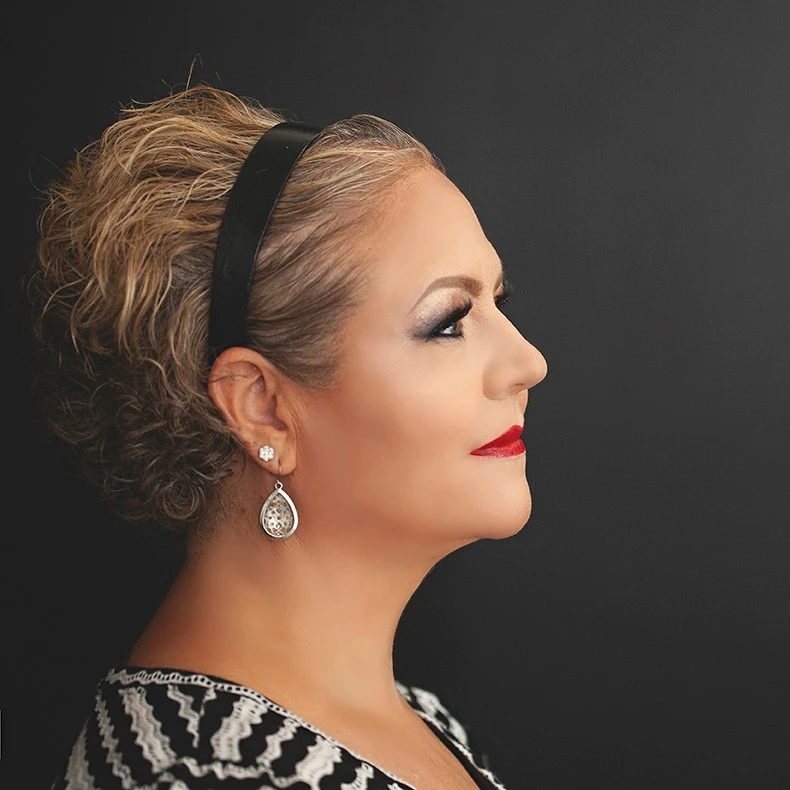
In this episode, Cody talks to pianist Michele McLaughlin. She says that she’s always been musical. When she was in kindergarten, she learned to play ...
 EP 099
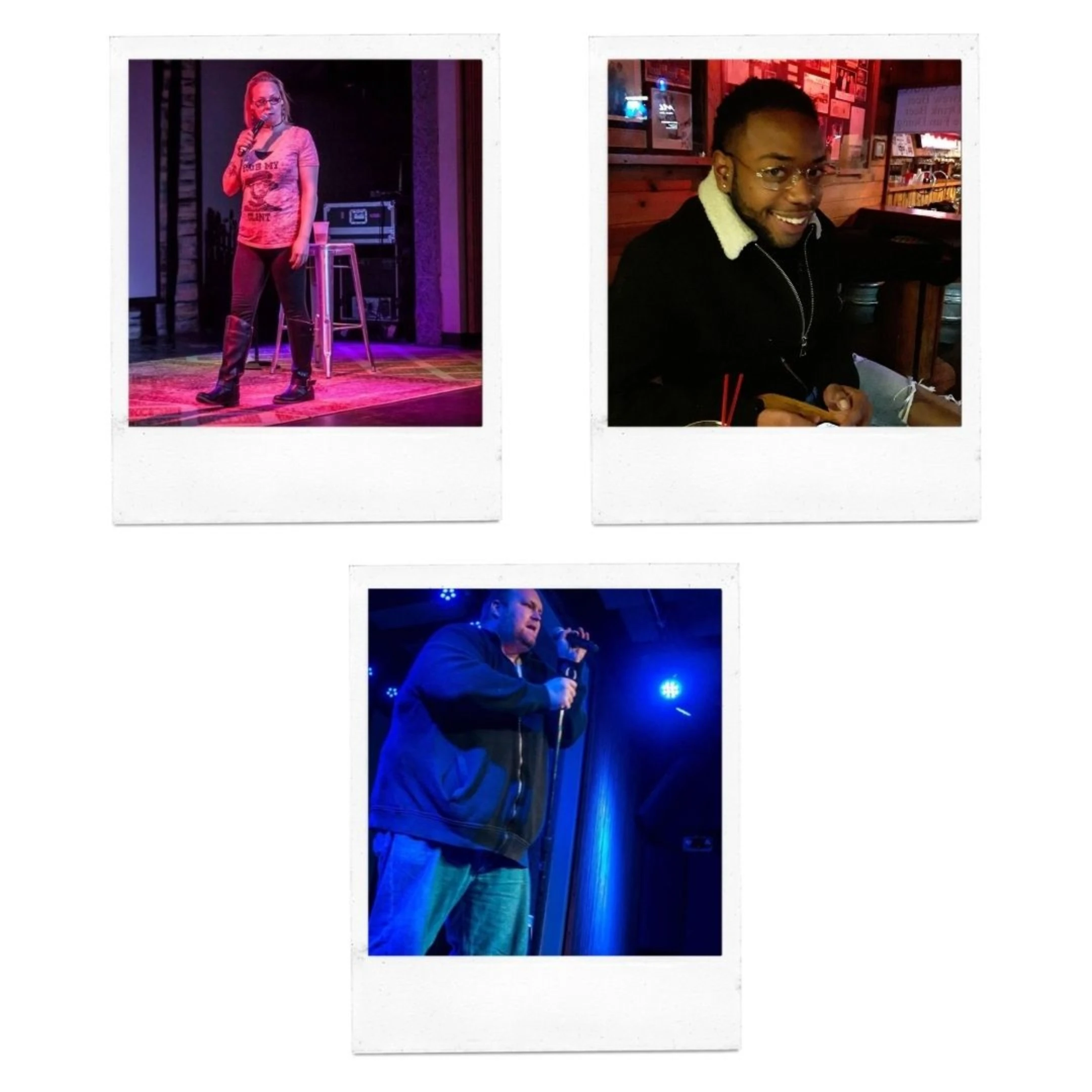
In this episode, Cody talks with three Alaskan comedians: Matt Collins, Kass Smiley and Dayman Wright. Dayman is still pretty fresh, with three years ...