 EP 137
 Carrying on a storied history with Matt Fernandez of Anchorage Community Theatre
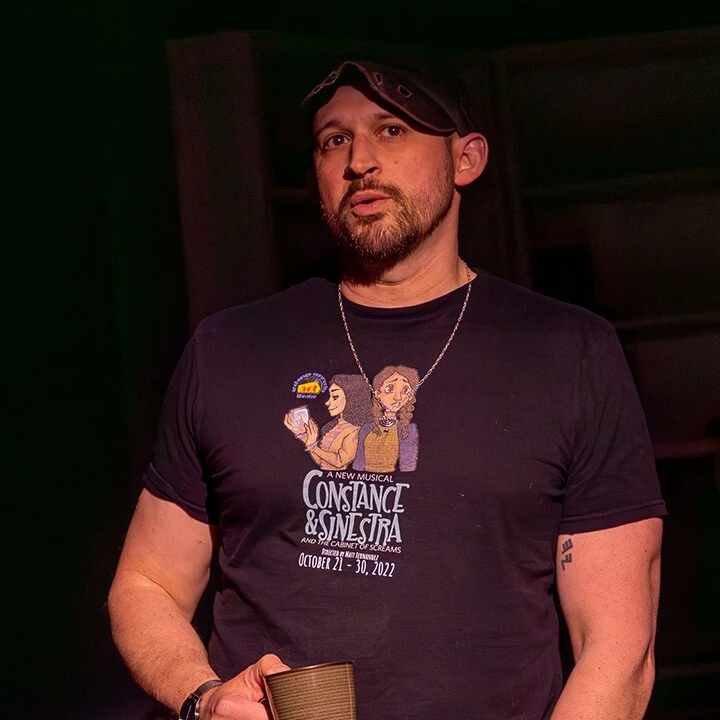
In this one, Cody talks to Matt Fernandez of Anchorage Community Theatre. Matt’s association with ACT goes back to before he was even born. His mom wa...
Adjust the website's display to match your visual and cognitive needs. Your preferences are saved automatically on this device.
Enhance color intensity to improve readability.
Increase the global font size by 10%.
Override custom typography with a standard system font.
Add prominent underlines to all clickable hyperlinks.
Disable movement, scrolling effects, and transitions.
Apply OpenDyslexic weighted typeface for easier reading.
Joseph Dahmen is an architect and the founder of the Biogenic Architecture Lab at the University of British Columbia. The lab’s lead designer, Isobel ...
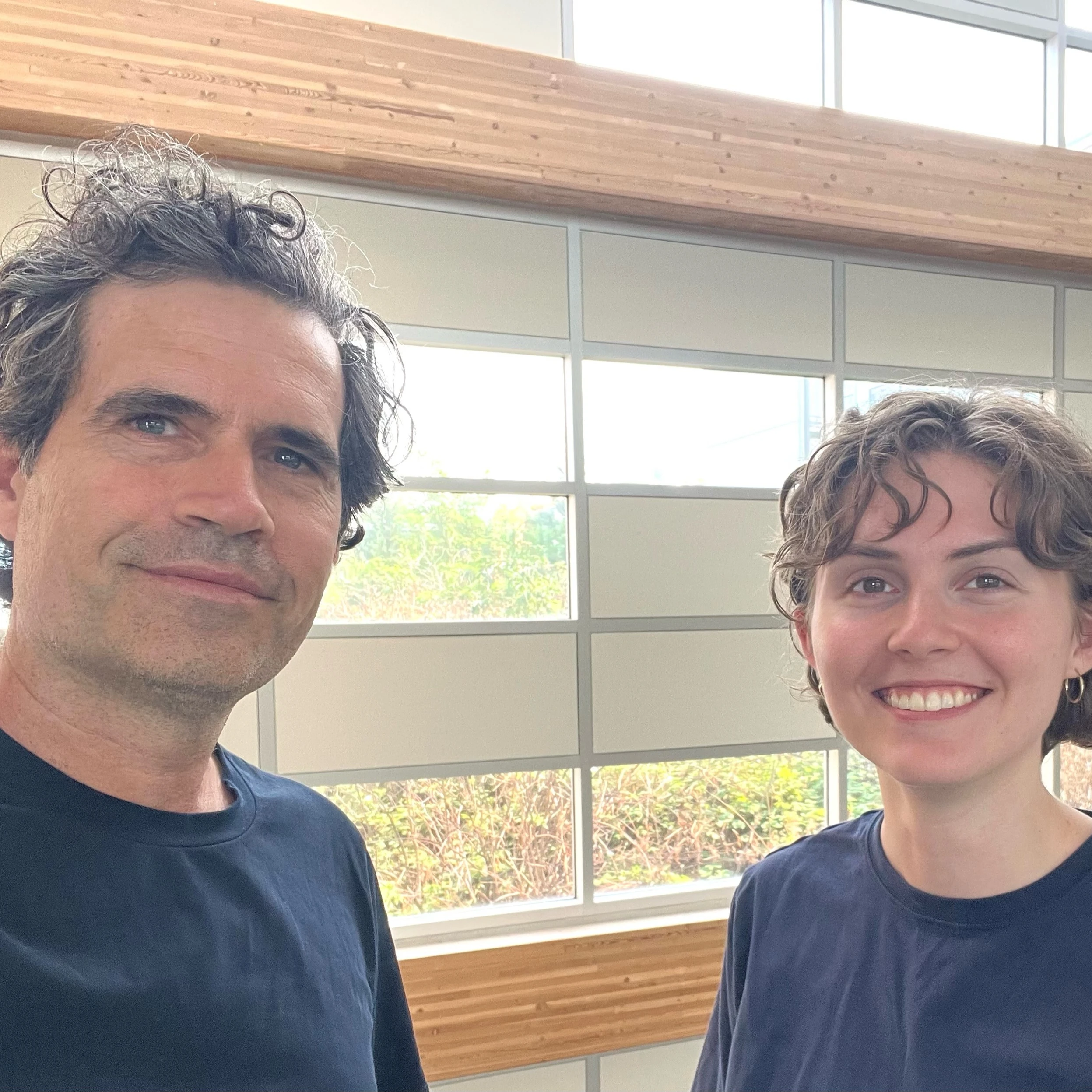


Joseph Dahmen is an architect and the founder of the Biogenic Architecture Lab at the University of British Columbia. The lab’s lead designer, Isobel McLean, also joins this conversation. She works at the intersection of architecture, microbiology, and biofabrication. And together, Joseph and Isobel are experimenting with mycelium—the vast network of fungal threads that grows through soil, wood, and other organic matter. They’re looking at its potential as a building material that can be grown rather than manufactured. For example, when grown through sawdust and other plant fibers, mycelium acts as a natural binder, creating a solid, biodegradable material that can provide insulation, a lot like conventional foam. This work is practical and speculative, and it asks whether the materials of the future might be cultivated, allowed to change over time, and eventually returned to the earth.
Mycelium could be especially useful in northern communities, where the logistics of construction can be complicated and expensive. And in many ways, those communities magnify problems that exist throughout the construction industry in general—rising transportation costs, dependence on long supply chains, material waste, and the carbon emissions associated with producing and moving building materials. So, Joseph, Isobel, and their team of architects and scientists are imagining a different model—one where communities could eventually grow useful materials closer to where they’re needed, using locally available resources to create products appropriate to a particular region and climate. Materials that don’t have to travel as far to get where they need to go, and that, at the end of their useful lives, can biodegrade rather than become another permanent layer of waste.
EP 137In this one, Cody talks to Matt Fernandez of Anchorage Community Theatre. Matt’s association with ACT goes back to before he was even born. His mom wa...
 EP 143
Kyle Worl is an Alaska Native athlete, coach, and cultural advocate who has spent most of his life competing in, and helping pass on, Arctic Sports an...
 EP 139
Author Lily Tuzroyluke is from Tikiġaq, also known as Point Hope, a community on Alaska's northwest coast that has been home to generations of people ...