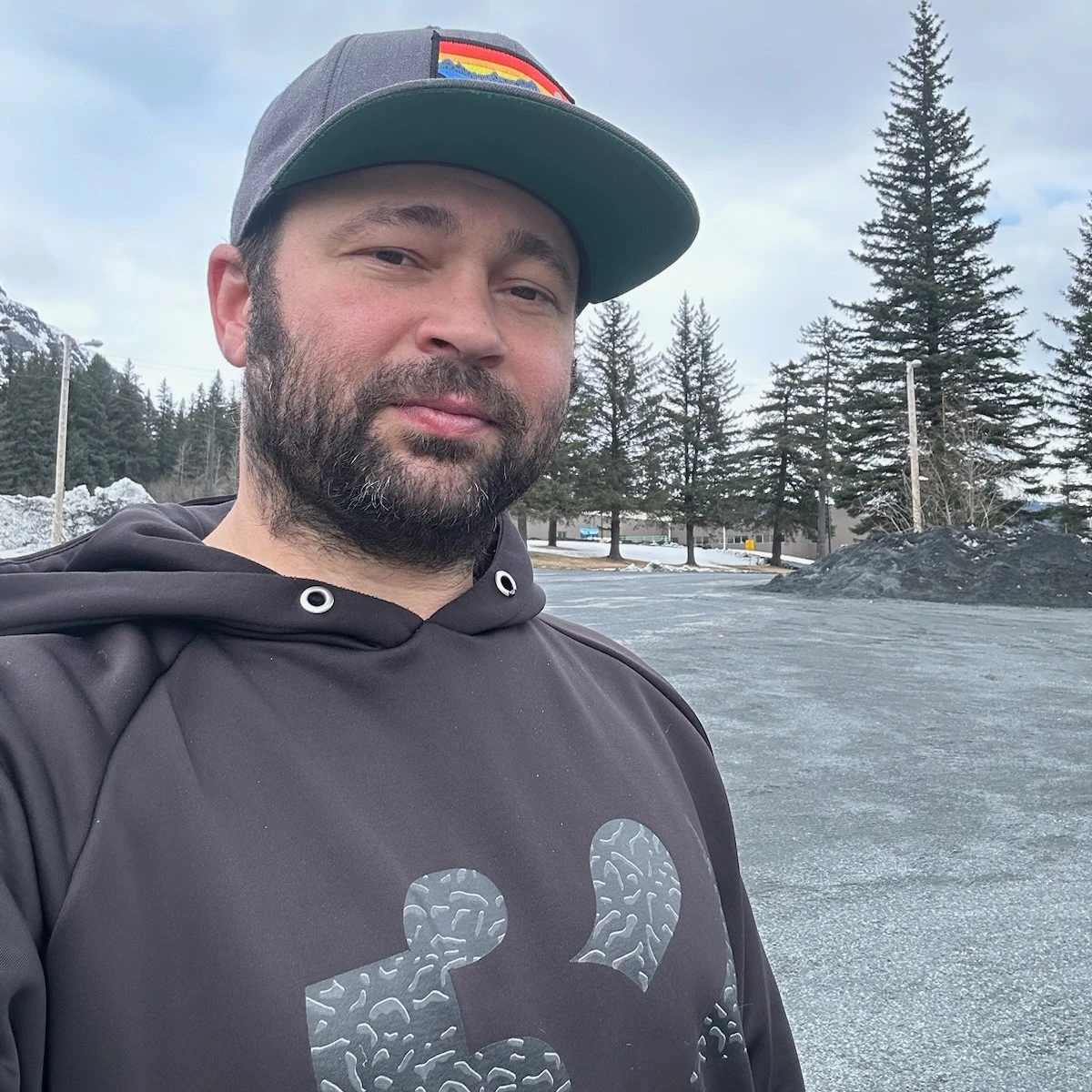
 EP 132
interviewsAudio
EP 132 Did Darian Draper land the first double-cork in snowboarding?
In this one, Cody talks to Darian Draper. He’s a snowboarder, a father and an all-around athlete. He grew up in Seward, Alaska, where he learned how t...
Adjust the website's display to match your visual and cognitive needs. Your preferences are saved automatically on this device.
Enhance color intensity to improve readability.
Increase the global font size by 10%.
Override custom typography with a standard system font.
Add prominent underlines to all clickable hyperlinks.
Disable movement, scrolling effects, and transitions.
Apply OpenDyslexic weighted typeface for easier reading.
Historian Ian Hartman is an Associate Professor and Department Chair at the University of Alaska Anchorage. He teaches history from the bottom up, mea...
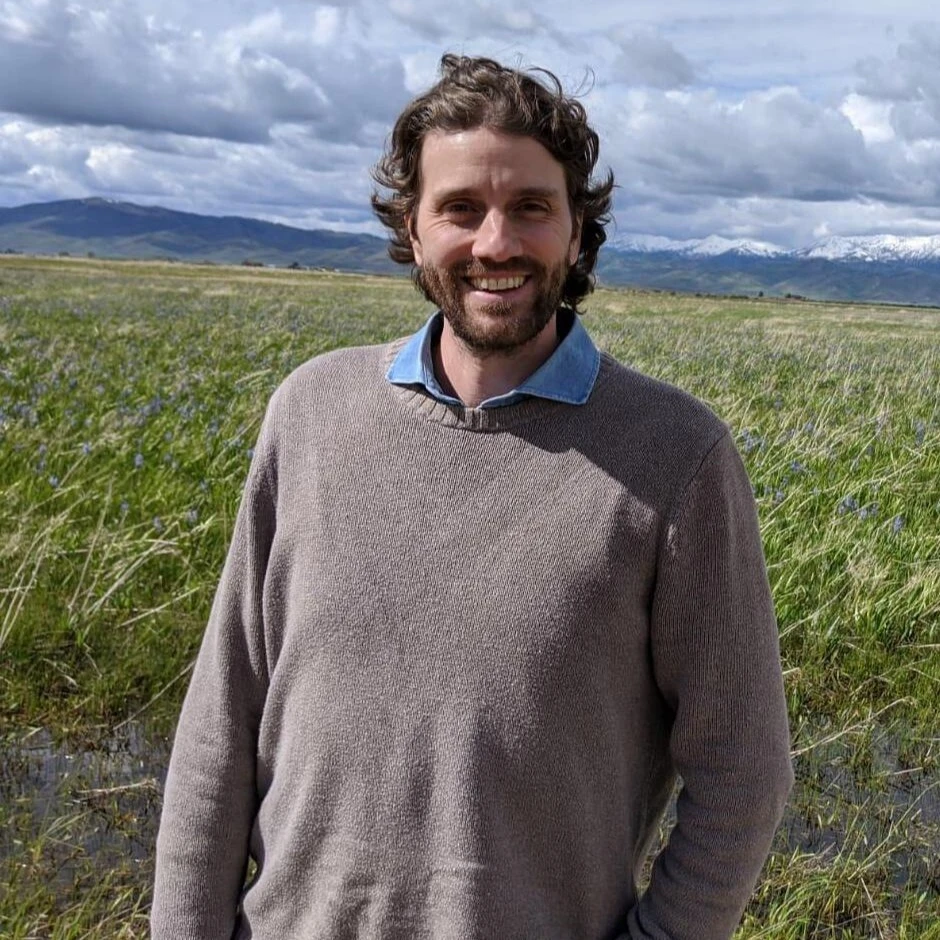
Historian Ian Hartman is an Associate Professor and Department Chair at the University of Alaska Anchorage. He teaches history from the bottom up, meaning he looks for how regular, working class people have been agents of change throughout history. This is the opposite of how so much of history has been recorded, which has looked at it through the perspective of The Great Man Theory. The Great Man Theory, as it relates to history, looks at leaders and other perceived great men as heroes and the sole agents of change. Ian points to the Civil Rights movement and the general cultural upheavals of the 1960s and 1970s for shifting our understanding of history.
Ian is also a public historian known, most recently, for his work on the history of the Alaska Railroad and a book he co-authored with Alaska public historian David Reamer about the history of the black experience in Alaska. The book, _Black Lives in Alaska: A History of African Americans in the Far Northwest_, details how Black men and women have participated in Alaska's politics and culture since before statehood. How Black history in Alaska is almost by default a history of the bottom up. It’s a history that involves racial discrimination, but also involves people mobilizing themselves in the face of that discrimination. How they were, and are, agents who are capable of forging social movements and solidarity. They rose up and involved themselves in the workings of the state.
His work on the Alaska Railroad will soon be on display — along with the work of other experts — at an Anchorage Museum exhibition titled _All Aboard: The Alaska Railroad Centennial_. The exhibition highlights crucial moments, technological innovations and human stories connected to the railroad and its operations in Alaska. An interesting fact about the people who originally worked on the Alaska Railroad is that the majority of them came from Alaska. They were already in the state working the Klondike Gold Rush and, when that ended, workers — who were generally young, single men — found more work helping to construct the railroad.
EP 132In this one, Cody talks to Darian Draper. He’s a snowboarder, a father and an all-around athlete. He grew up in Seward, Alaska, where he learned how t...
 EP 022
 EP 038