 EP 173
 The warden of Kavik River Camp with Sue Aikens
In this one, I talk to Sue Aikens — the warden of Kavik River Camp, a remote, self-sufficient outpost on Alaska’s North Slope. A collection of bunkhou...
Adjust the website's display to match your visual and cognitive needs. Your preferences are saved automatically on this device.
Enhance color intensity to improve readability.
Increase the global font size by 10%.
Override custom typography with a standard system font.
Add prominent underlines to all clickable hyperlinks.
Disable movement, scrolling effects, and transitions.
Apply OpenDyslexic weighted typeface for easier reading.
Mary Mattingly is an interdisciplinary artist who builds sculptural ecosystems that address human consumption and resilience, with an underlying theme...
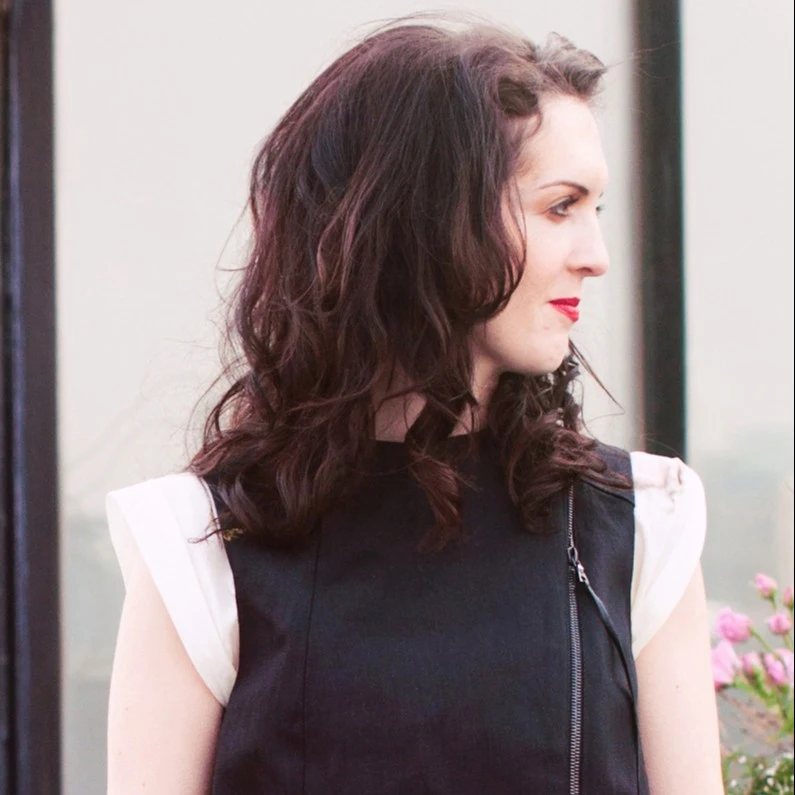


Mary Mattingly is an interdisciplinary artist who builds sculptural ecosystems that address human consumption and resilience, with an underlying theme of how they might play into our ability to preserve through catastrophic events. Two of her past projects — Waterpod and Swale — were barges that periodically docked in certain areas of New York City. Both depended on a level of nomadism and self-sufficiency. She describes Waterpod as a self-sufficient living space on the water that was a shelter, grew its own food, cleaned its own water and was also a space where she could make artwork. Swale came next. It was an edible landscape and it applied many of the skills she’d learned from Waterpod. Things like navigating a large vessel though city waterways and how foraging for fresh foods could work in a city with so many rules and regulations.
Her artwork always comes from a personal place. In 2008, after numerous surgeries and trips to the hospital, she was diagnosed with Celiac disease. It was a painful journey. For so long, she didn’t know what was wrong with her. So, the diagnosis was a relief. She finally had a word to attach to what she was experiencing. That’s when she became interested in food. Specifically, she became aware of the inaccessibility to fresh foods — how expensive they are and how many rules and regulations prohibit people from growing their own food in public spaces. At one point, she learned about how a community garden had been shut down due to a real estate development. That was when she realized that spaces like that weren’t protected and could be easily taken away.
Her interest in the idea of consumption and resilience goes back to her childhood, when she didn’t always have the things she wanted. She was born in Rockville, Connecticut, but she grew up in Summersville. Both are small towns that are close to nature. She tells this story about how, when she was a kid, she and her siblings would make a game out of running as fast as they could to reach a neighbor’s barn before he let off a warning shot. So, when she moved to New York City, where manmade structures dominate the landscape and overconsumption is common, she began to think about how that affects us, how being so reliant on outside inputs can deprive us of our independence. The sheer scale of the trash cycle in New York City, for example, devastated her. Three nights a week, she would see trash piled up on the sidewalks, sometimes taller than her.
EP 173In this one, I talk to Sue Aikens — the warden of Kavik River Camp, a remote, self-sufficient outpost on Alaska’s North Slope. A collection of bunkhou...
 EP 107
In this one, Cody talks to snowmachiner Dane Ferguson. Dane started sledding in 2003 and almost immediately began hitting jumps. Before he even really...
 EP 150
In this one, Cody talks to Buddy Bailey. In the late 1990s, Buddy became the face of his dad’s furniture business, Bailey’s Furniture. He was 7 years ...