 EP 159
interviewsAudio
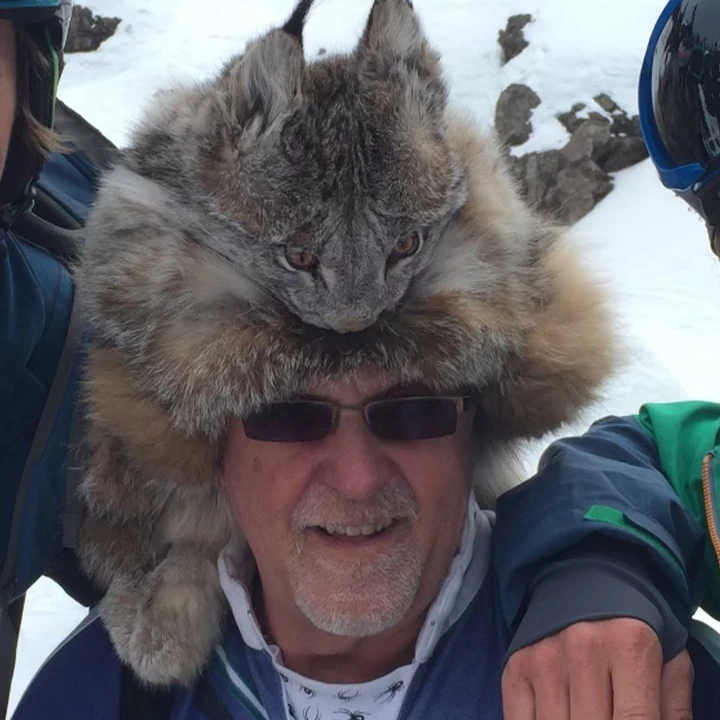
EP 159 The Arctic Man with Howard Thies
In this one, Cody talks to Howard Thies, the founder of Arctic Man, a winter race that combines snowmachines, skiers and snowboarders. It takes place ...
Adjust the website's display to match your visual and cognitive needs. Your preferences are saved automatically on this device.
Enhance color intensity to improve readability.
Increase the global font size by 10%.
Override custom typography with a standard system font.
Add prominent underlines to all clickable hyperlinks.
Disable movement, scrolling effects, and transitions.
Apply OpenDyslexic weighted typeface for easier reading.
For years, Shyanne Beatty has wanted to move back home to Eagle, Alaska. It’s where everything started for her — her love for culture, language, art a...
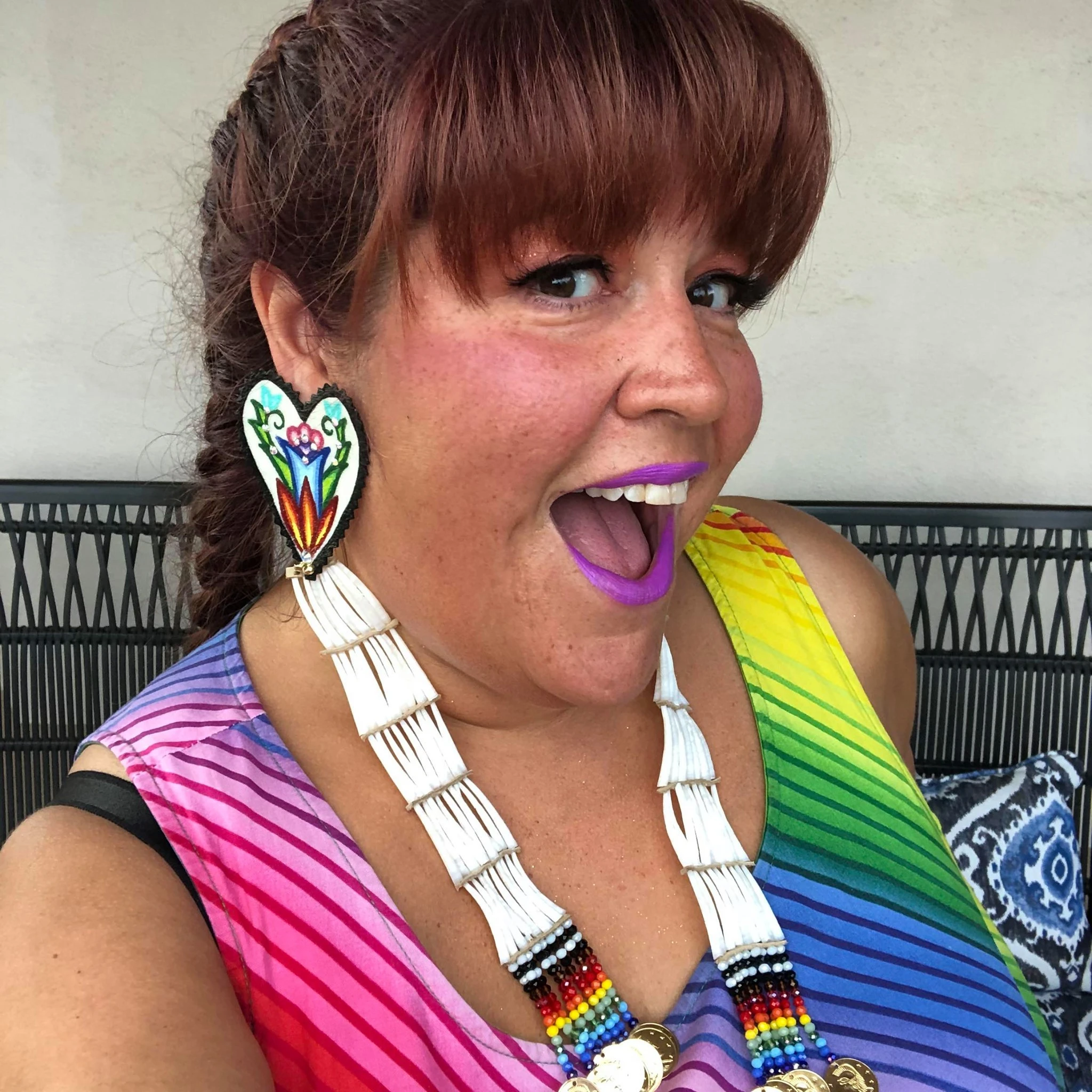
For years, Shyanne Beatty has wanted to move back home to Eagle, Alaska. It’s where everything started for her — her love for culture, language, art and music. Today, she sits on her property in Eagle, along the Yukon River, and she imagines herself as a young girl, running down the river banks with about 20 sled dogs or trapping marten out at 40 Mile or walking to school, singing to herself to ward off any curious wildlife. Reflecting on this, she realized that music has been foundational for so much in her life, it’s carried her and it’s protected her. Radio too. She remembers one Thanksgiving out at 40 Mile, she and her dad were listening to “Trapline Chatter” and they heard her grandparents wishing them a Happy Thanksgiving. The reach of radio had made its impression on her. So, when she left Eagle, that passion for radio and love for culture, language, art and music manifested itself in “Earthsongs,” the radio show she hosted on KNBA in Anchorage. It highlighted indigenous artists, musicians, and it was the first nationally-syndicated show out of the state of Alaska.
Shyanne is in the process of revitalizing her Native language, Han Hwechin Athabascan. There are only four people left who can speak the language, and she says the process of learning it has been difficult because people have been resistant to teaching her. This is because land, subsistence rights, language, culture and even children were taken away from her people. So, the insistence on guarding these things is understandable. To learn the language, Shyanne resorted to a more academic setting, mainly through classes.
Lately, for about six hours a week, she’s been working with her aunt to continue learning and documenting the language. Usually they get together and cook, chatting with each other in Han Hwechin the whole time. And for all this, she wanted to be back in Eagle, on her traditional lands; to have that sense of place and belonging. Because learning and documenting her culture and lifeways is one thing, but it’s also about creating a reservoir of culture that future generations can learn from.
EP 159In this one, Cody talks to Howard Thies, the founder of Arctic Man, a winter race that combines snowmachines, skiers and snowboarders. It takes place ...
 EP 111
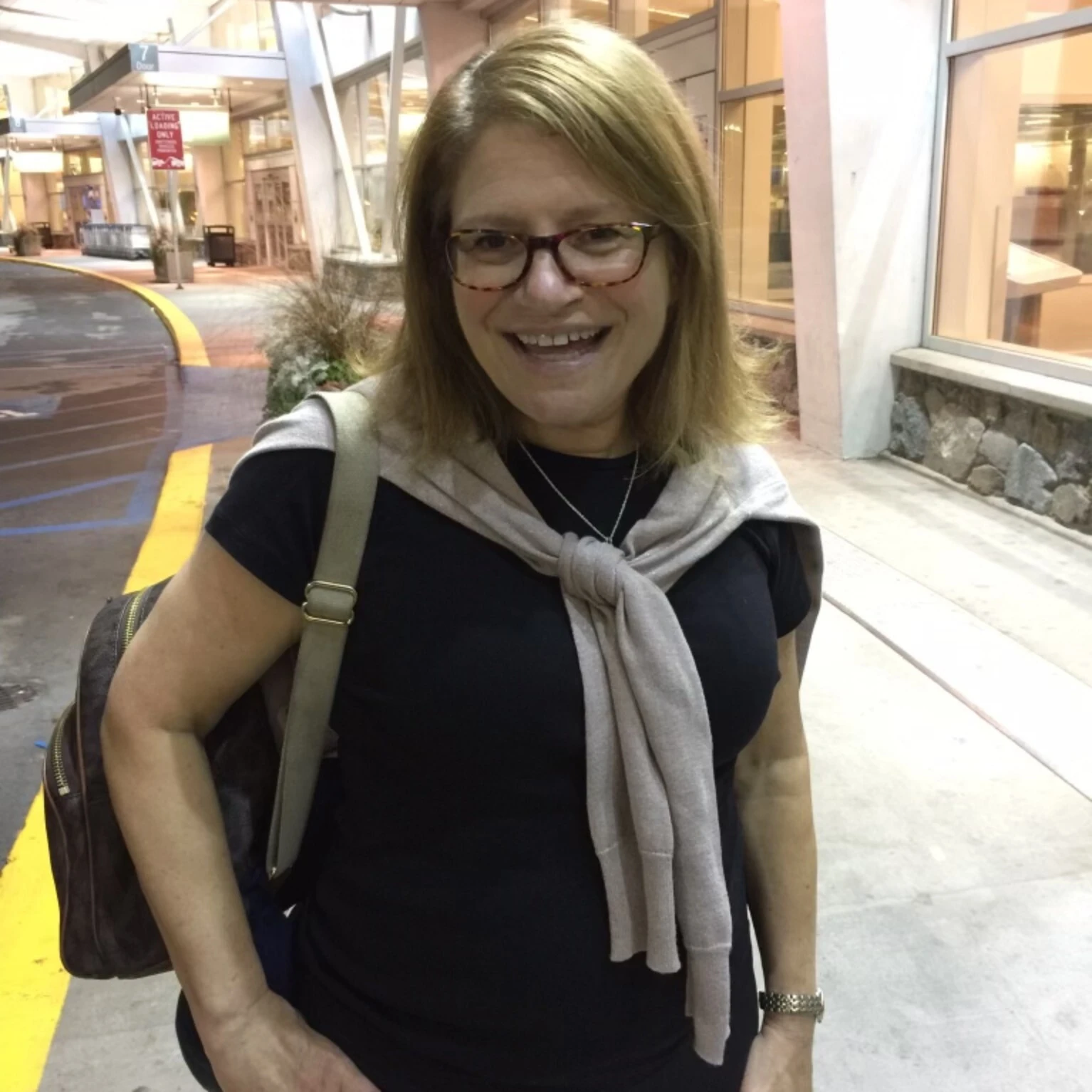
In this one, Cody talks to journalist and author Kim Rich. She wrote the classic memoir “[Johnny’s Girl](https://www.amazon.com/dp/B00G78YK9Q/ref=dp-k...
 EP 174
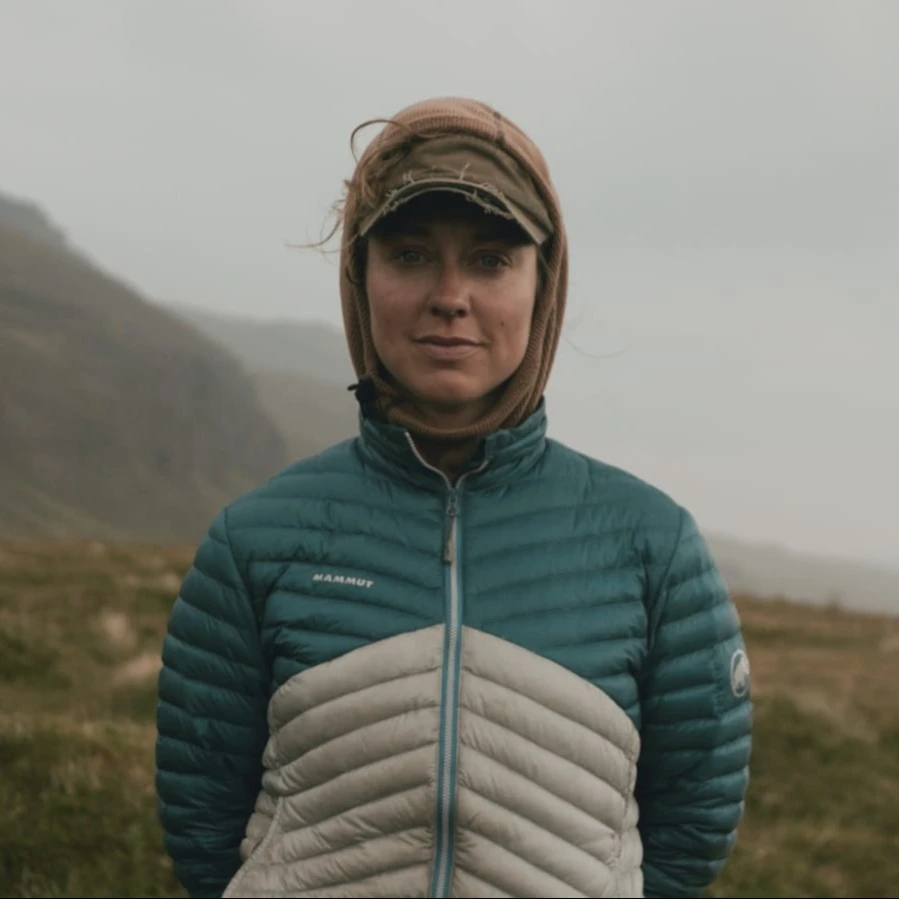
In this one, I talk to Ashley Saupe. She’s the host of the Sharp End Podcast, a show built around firsthand accounts of accidents, near misses, surviv...