 EP 167
interviewsAudio
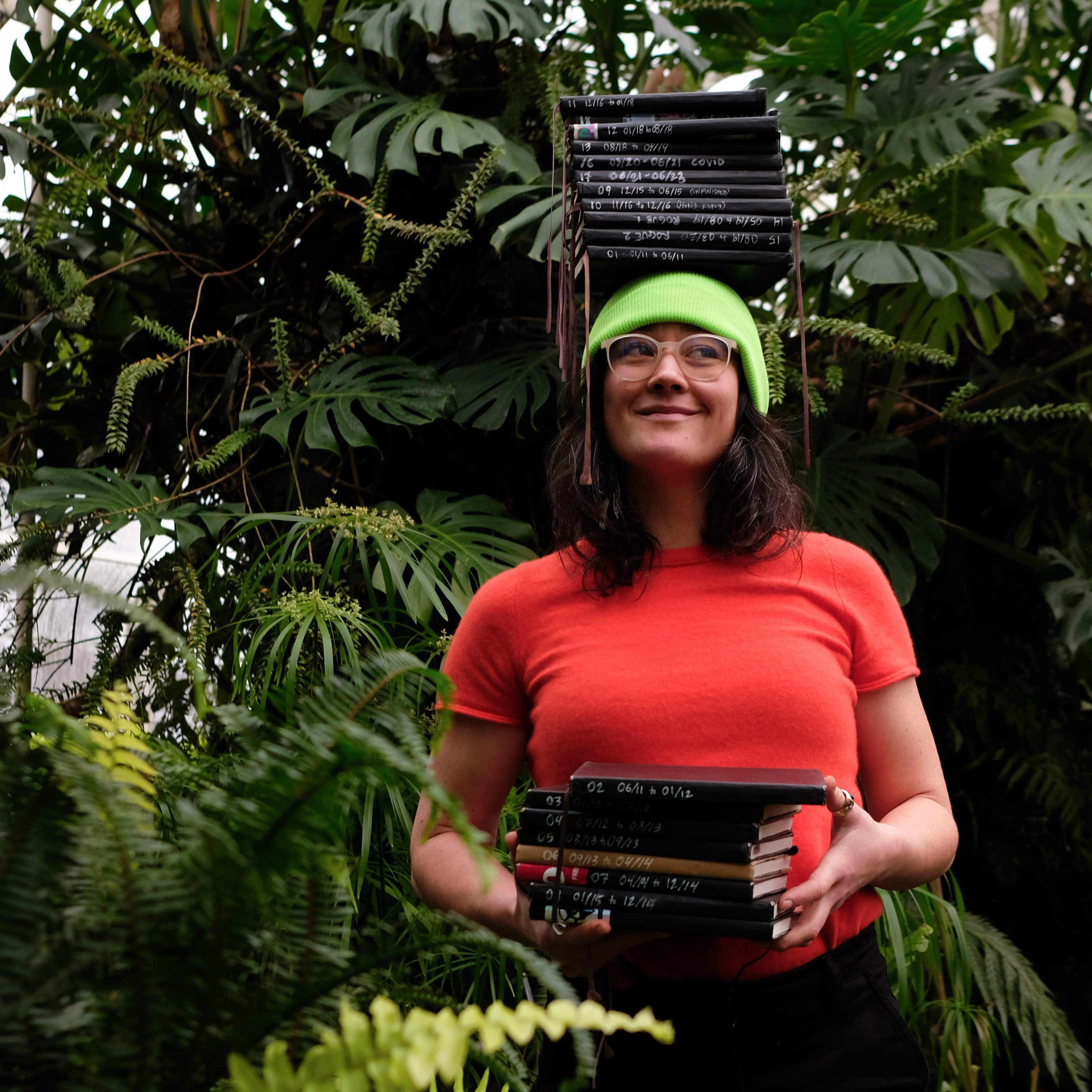
EP 167 Family, trauma and the stories we inherit with Tessa Hulls
In this one, Cody talks to author and multi-disciplinary artist Tessa Hulls. She recently won the Pulitzer Prize for her graphic memoir, “_Feeding Gho...
Adjust the website's display to match your visual and cognitive needs. Your preferences are saved automatically on this device.
Enhance color intensity to improve readability.
Increase the global font size by 10%.
Override custom typography with a standard system font.
Add prominent underlines to all clickable hyperlinks.
Disable movement, scrolling effects, and transitions.
Apply OpenDyslexic weighted typeface for easier reading.
The premise of this conversation is based on a question that Aaron Leggett — the president of the Native Village of Eklutna and the Senior Curator of ...
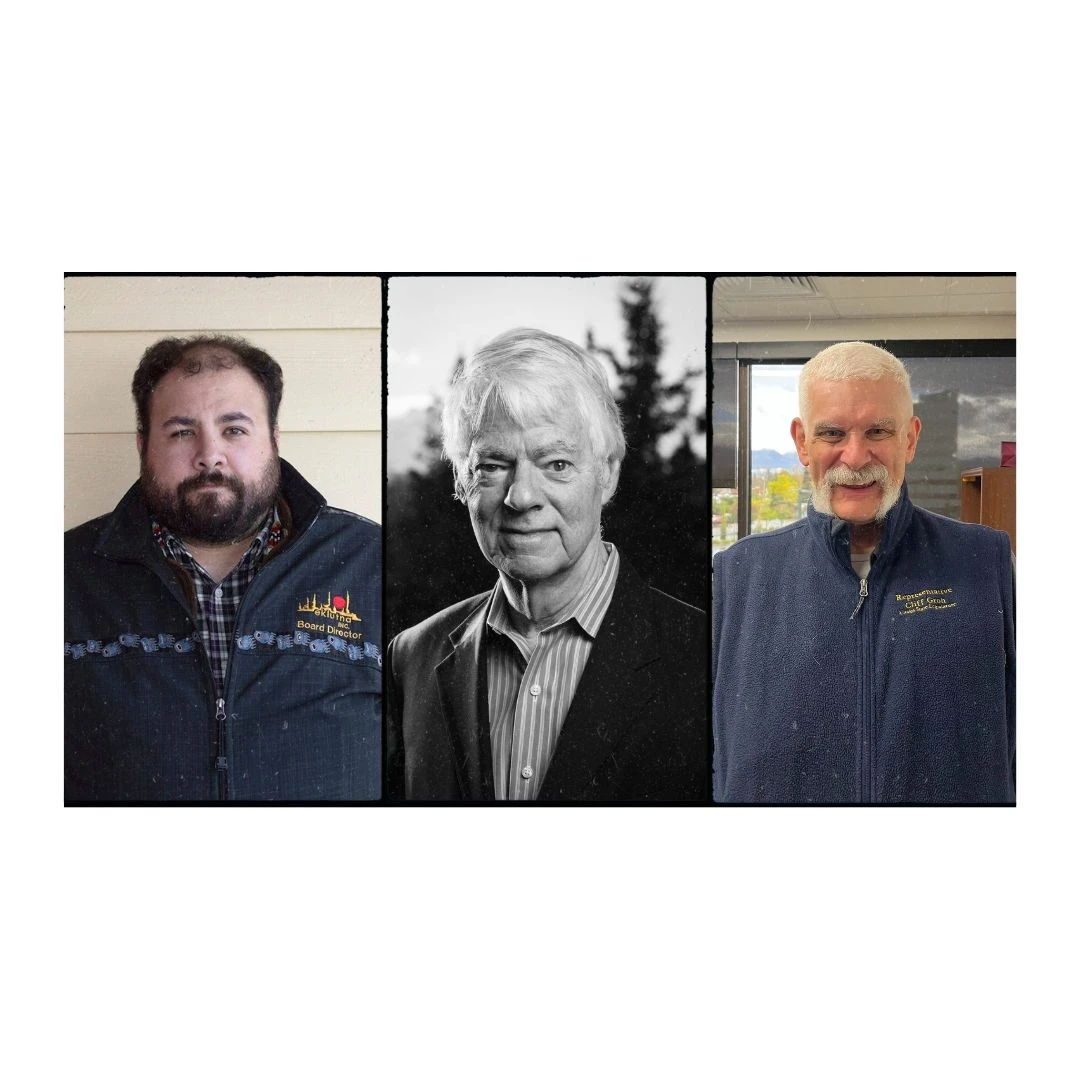
The premise of this conversation is based on a question that Aaron Leggett — the president of the Native Village of Eklutna and the Senior Curator of Alaska History and Indigenous Culture at the Anchorage Museum — and Cody are curious about: What happens to Alaska when oil is no longer economically viable for the economy of the state? Aaron says that his hope for the future is that people will have a better understanding about the role oil plays in Alaska, that although production is in decline we can take the wealth that’s been created with it and invest it into Alaska’s education system in order to prepare future generations for the new realities and challenges that await them.
Permanent Fund Dividend co-creator and state legislator Cliff Groh says that, for decades, oil has been the primary driver of Alaska’s economy and fiscal system. However, oil production has been in decline for about 35 years. In the late 1980s, the state had more than 2 million barrels of oil going through the Trans-Alaska Pipeline System every day. Today, it’s well under 500 thousand barrels a day. Right now, many people are betting the economic future of Alaska on finding another Prudhoe Bay oilfield. There’s the Pikka Oil Field, the Willow Project, and the Arctic National Wildlife Refuge, or ANWR. There are arguments for and against each of these projects.
Tim Bradner has been writing about Alaska’s natural resources since 1966, he’s also the co-owner of the Alaska Legislative Digest. He doesn’t believe oil in Alaska will ever completely go away because oil fields have a way of producing for decades, but oil will become less and less important to Alaska’s economy. Ultimately, he’s hopeful for the future, though, that there are other things that will come along to stimulate the economy. Commercial fishing and tourism, for example. He says that if we’re smart, we’ll use the Permanent Fund to sustain our public services and diversify the economy, meanwhile educating young people and giving them a reason to stick around.
EP 167In this one, Cody talks to author and multi-disciplinary artist Tessa Hulls. She recently won the Pulitzer Prize for her graphic memoir, “_Feeding Gho...
 EP 091
In this one, Cody talks with Nick Perata about creating and working at King of the Hill, a legendary snowboard competition held in Thompson Pass back ...
 EP 001
In this episode, we look at crime from the perspective of a retired police officer. Aaron Roberts was an officer for the Anchorage Police Department f...