 EP 084
interviewsAudio
EP 084 with comedian Matt Collins
In this episode, Cody has a conversation with radio host and comedian Matt Collins. Matt got his start in radio at 17 years old at 87.7 The End in Anc...
Adjust the website's display to match your visual and cognitive needs. Your preferences are saved automatically on this device.
Enhance color intensity to improve readability.
Increase the global font size by 10%.
Override custom typography with a standard system font.
Add prominent underlines to all clickable hyperlinks.
Disable movement, scrolling effects, and transitions.
Apply OpenDyslexic weighted typeface for easier reading.
In this one, Cody talks to author and multi-disciplinary artist Tessa Hulls. She recently won the Pulitzer Prize for her graphic memoir, “_Feeding Gho...
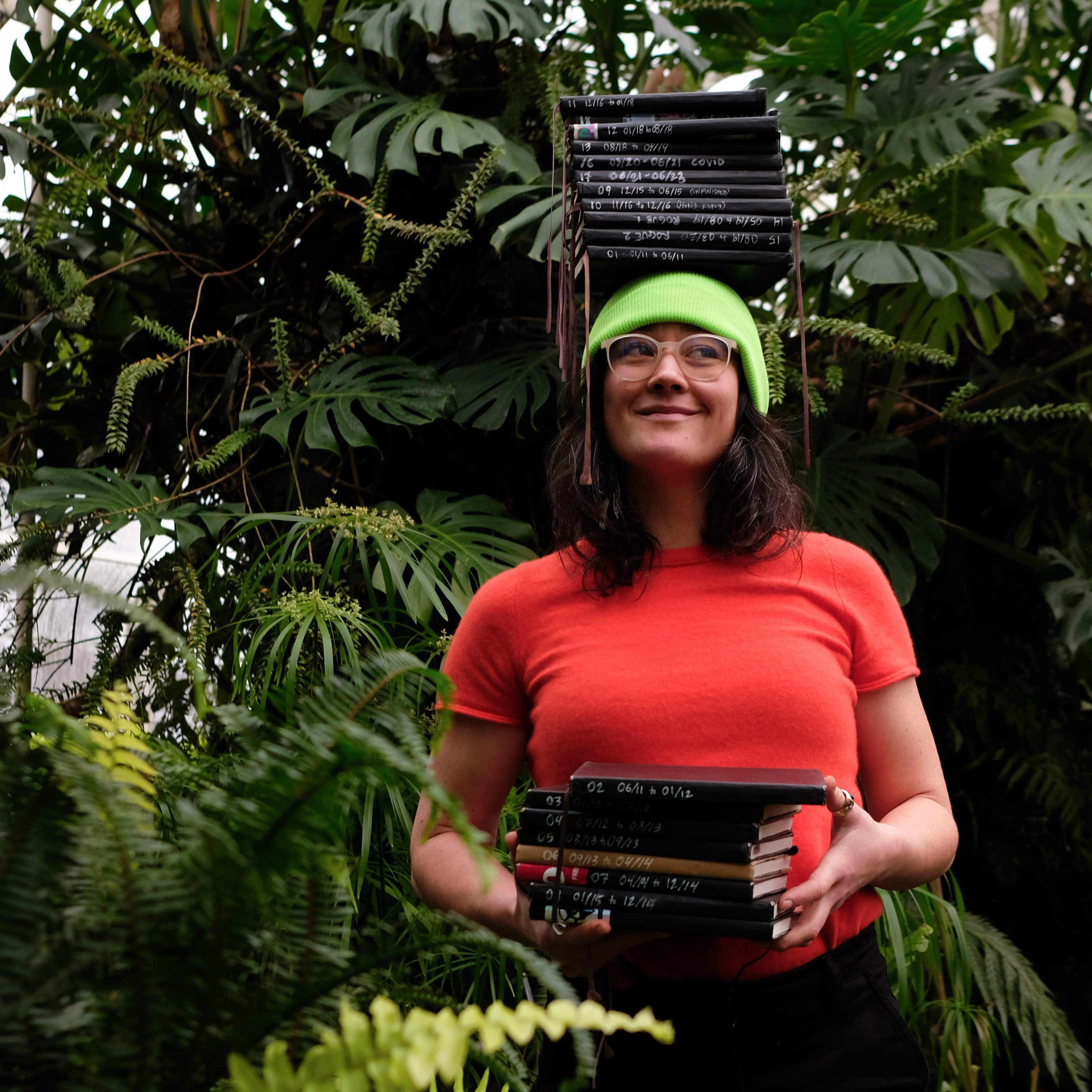
In this one, Cody talks to author and multi-disciplinary artist Tessa Hulls. She recently won the Pulitzer Prize for her graphic memoir, “_Feeding Ghosts_.” It’s about three generations of women in her family — her grandma, her mom, and herself — and the ways their lives were shaped by political violence, migration, silence and survival. The book moves across continents and decades, weaving together personal history and national trauma. It examines what it means to be stuck in time, and carrying the reverberations of inherited trauma. It also confronts the fallibility of memory — what we remember versus what actually happened — and the tension between being Chinese and being American. Tessa’s grandma would have been the keeper of the family’s history, but she was a locked box — often medicated and unable to speak much English. So, at 30, after spending most of her life running from the weight of her family’s story, Tessa realized that if she didn’t confront it, she risked becoming the next generation of collateral damage.
Tessa’s been coming to Alaska for the past 14 years, and says that there’s nothing that makes her feel more at home than being alone in the backcountry. Drawn by the scale of Alaska’s wild places and the way they offer a kind of perspective she hasn’t found anywhere else. It provides her with moments that dissolve ego — when the vastness of the landscape reminds her of how small she is. The people are in tune with change, and the shifting seasons shape daily life and identity. It’s freeing and grounding at the same time.
The outdoors has shaped nearly every part of Tessa’s creative life, and it played a major role in the writing of “_Feeding Ghosts_.” It offered her the solitude and clarity she needed to confront her family’s story, and it was during a stint working as a chef in Antarctica that she first began teaching herself to draw comics. She says she didn’t have a choice when it came to writing it — it wasn’t a passion project, but a responsibility. She felt summoned by her family’s ghost to break the silence and carry their story forward. And while she has no plans to write another book, she’s now thinking about how to use the attention the memoir has brought her to uplift other artists in Alaska.
Photo courtesy of Gavin Doremus
EP 084In this episode, Cody has a conversation with radio host and comedian Matt Collins. Matt got his start in radio at 17 years old at 87.7 The End in Anc...
 EP 124
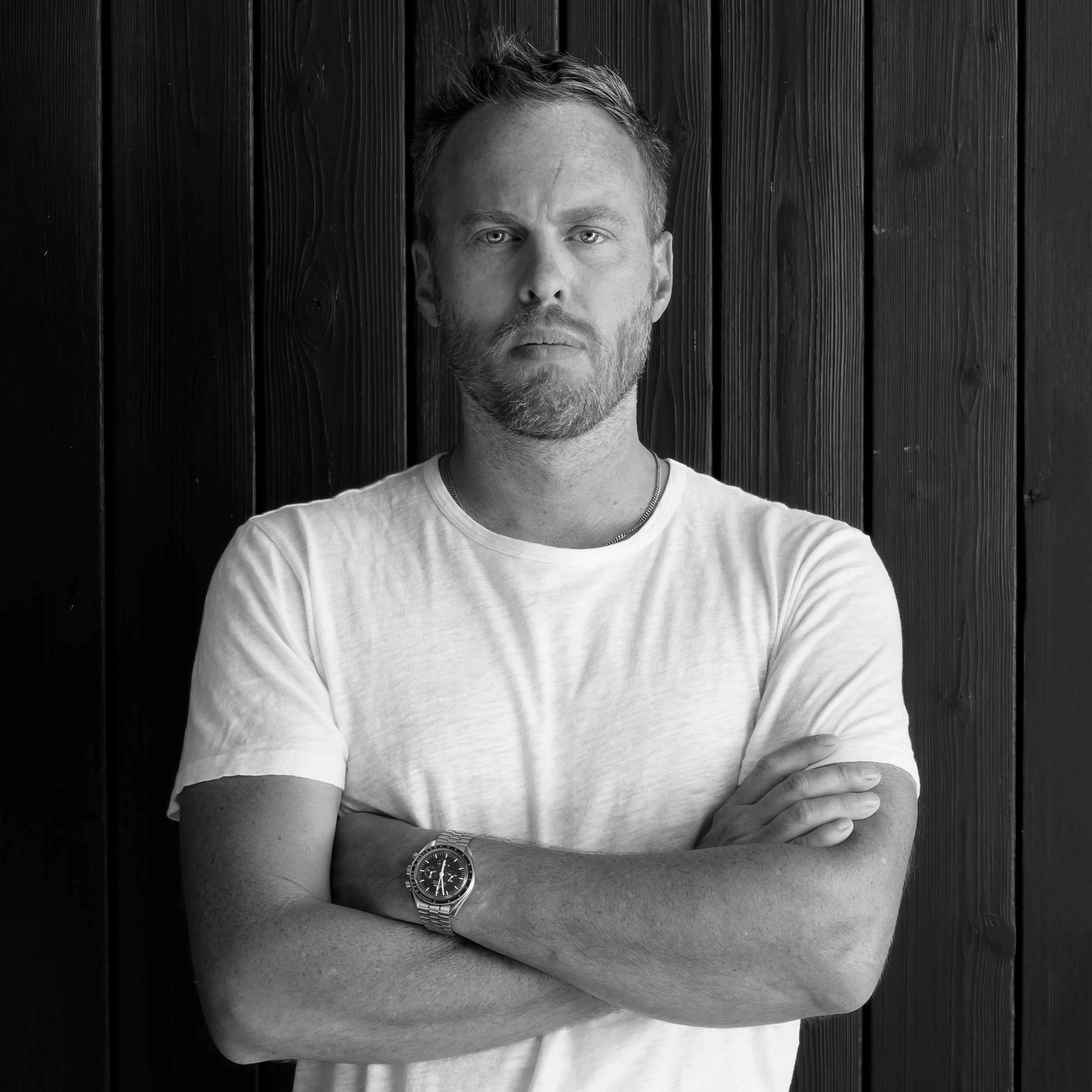
Charles Stankievech is an artist, a writer, and an academic. He teaches at the University of Toronto, and his art takes him into some of the most remo...
 EP 112
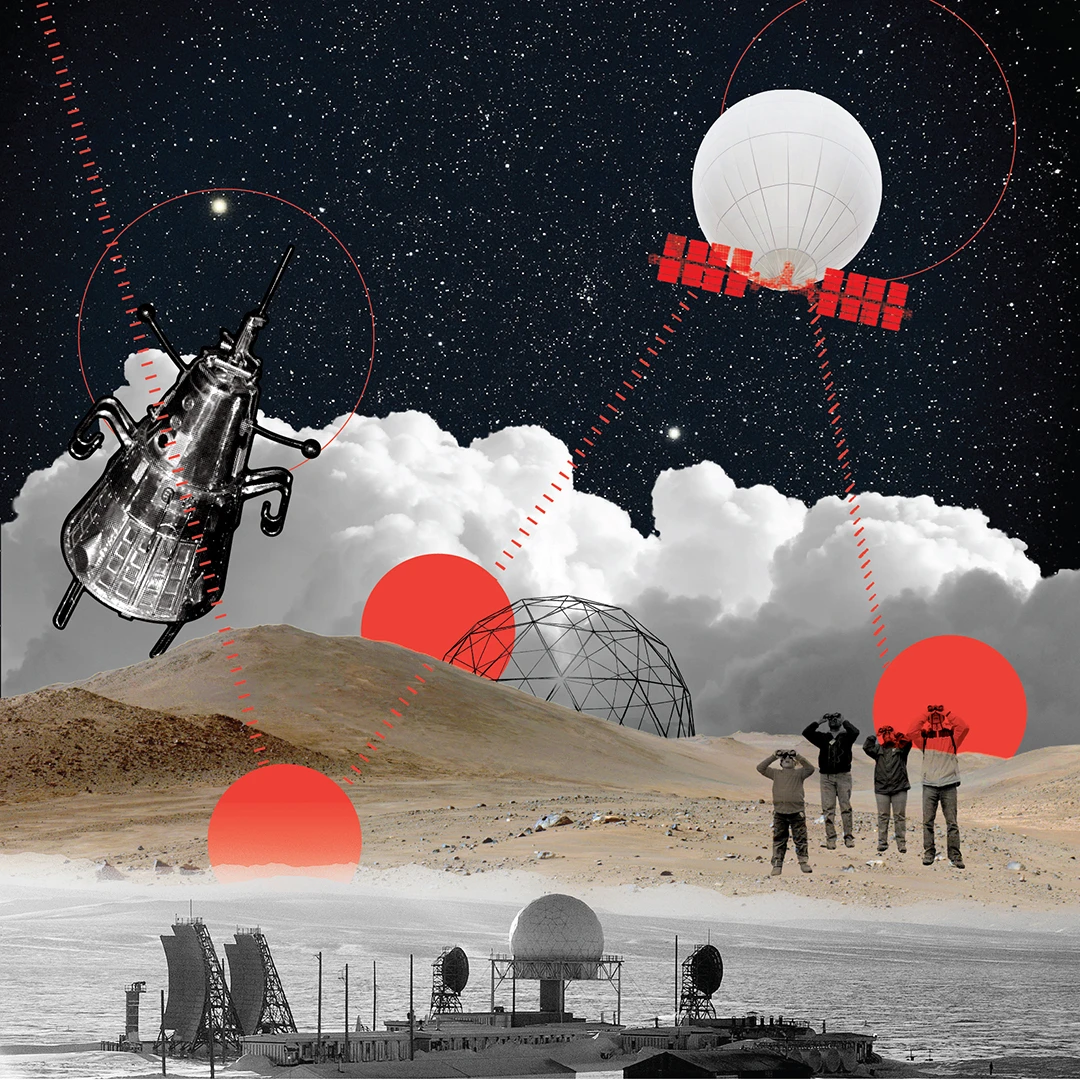
In this episode of Chatter Marks, we explore the lingering impact of the Cold War on Alaska, a state that stood on the frontlines of a global standoff...