 EP 134
interviewsAudio
EP 134 Inuit soul music with Qacung
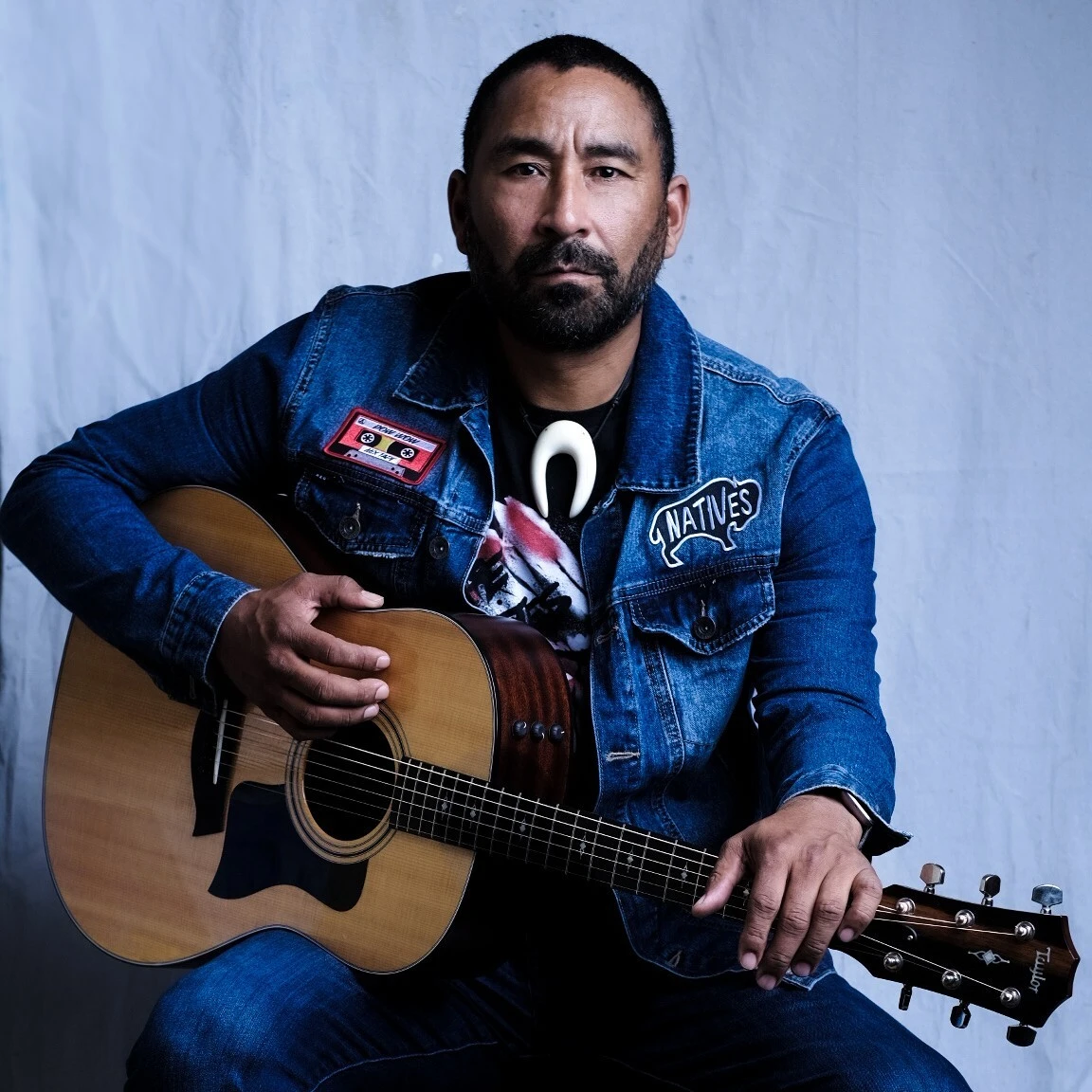
In this episode, Cody talks to Qacung of Pamyua. Qacung and his brother, Philip, started Pamyua almost 30 years ago. The idea was to honor both sides ...
Adjust the website's display to match your visual and cognitive needs. Your preferences are saved automatically on this device.
Enhance color intensity to improve readability.
Increase the global font size by 10%.
Override custom typography with a standard system font.
Add prominent underlines to all clickable hyperlinks.
Disable movement, scrolling effects, and transitions.
Apply OpenDyslexic weighted typeface for easier reading.
Emily Sullivan is a writer, a photographer, and a director whose work is grounded in questions of land, community, and responsibility. Throughout her ...
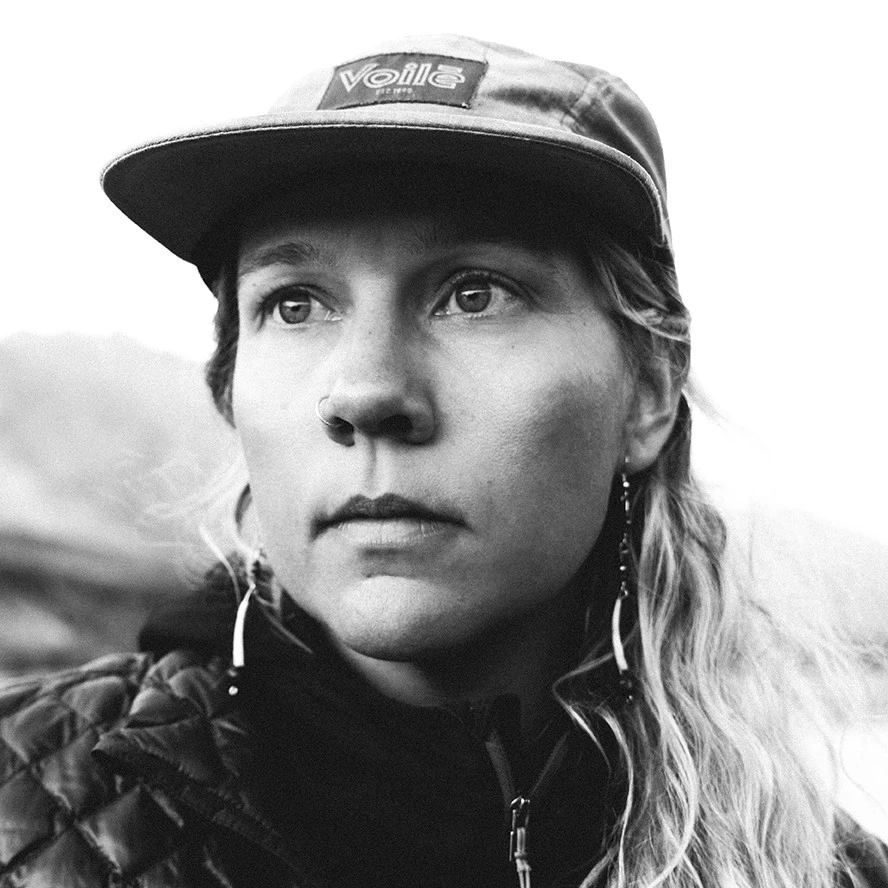
Emily Sullivan is a writer, a photographer, and a director whose work is grounded in questions of land, community, and responsibility. Throughout her work, she focuses on uplifting Indigenous perspectives — not by speaking for communities, but by listening to what people are already saying and doing. Her first film, _Shaped by Land_, is currently screening at festivals. It’s a documentary about Greenlandic skiers and their connection to place, set against the backdrop of the new Greenland Tourism Act — legislation designed to protect land, center local ownership, and resist extractive tourism. Emily’s interest in Greenland is shaped by her experience in Alaska, where many of the same tensions play out under different economic structures. In both places, people arrive seeking experience, adventure, and meaning, often without reckoning with what those desires take from the communities they move through.
Emily’s path to this work started when she was just a kid. She’s always been an observant person, someone who noticed small shifts in light and weather — that’s where her photographic eye comes from — and that sense of awe never really left. It grew out of curiosity, and later, into a belief that anything capable of stopping you in your tracks is probably worth paying attention to. And then, through her work and time spent in Alaska, climate change became personal and immediate — visible in rivers that don’t freeze when they should, unstable ice, unfamiliar weather patterns, and disrupted fish runs.
Much of her education in climate change came from Alaska Native peoples, specifically women who have been leading this work for generations. That learning shaped Emily’s commitment to bringing Indigenous knowledge, solutions, and sovereignty to the forefront of her storytelling — using careful observation and conversation to explore the forces shaping our collective future.
EP 134In this episode, Cody talks to Qacung of Pamyua. Qacung and his brother, Philip, started Pamyua almost 30 years ago. The idea was to honor both sides ...

In Part 2 of Outrun Your Demons, Ryan Earp takes another stab at the road to L.A. This time, he brings his buddy Mike Caldarola along. Back in Ft. Ne...
 EP 120
In this episode, Cody talks to pianist Michele McLaughlin. She says that she’s always been musical. When she was in kindergarten, she learned to play ...