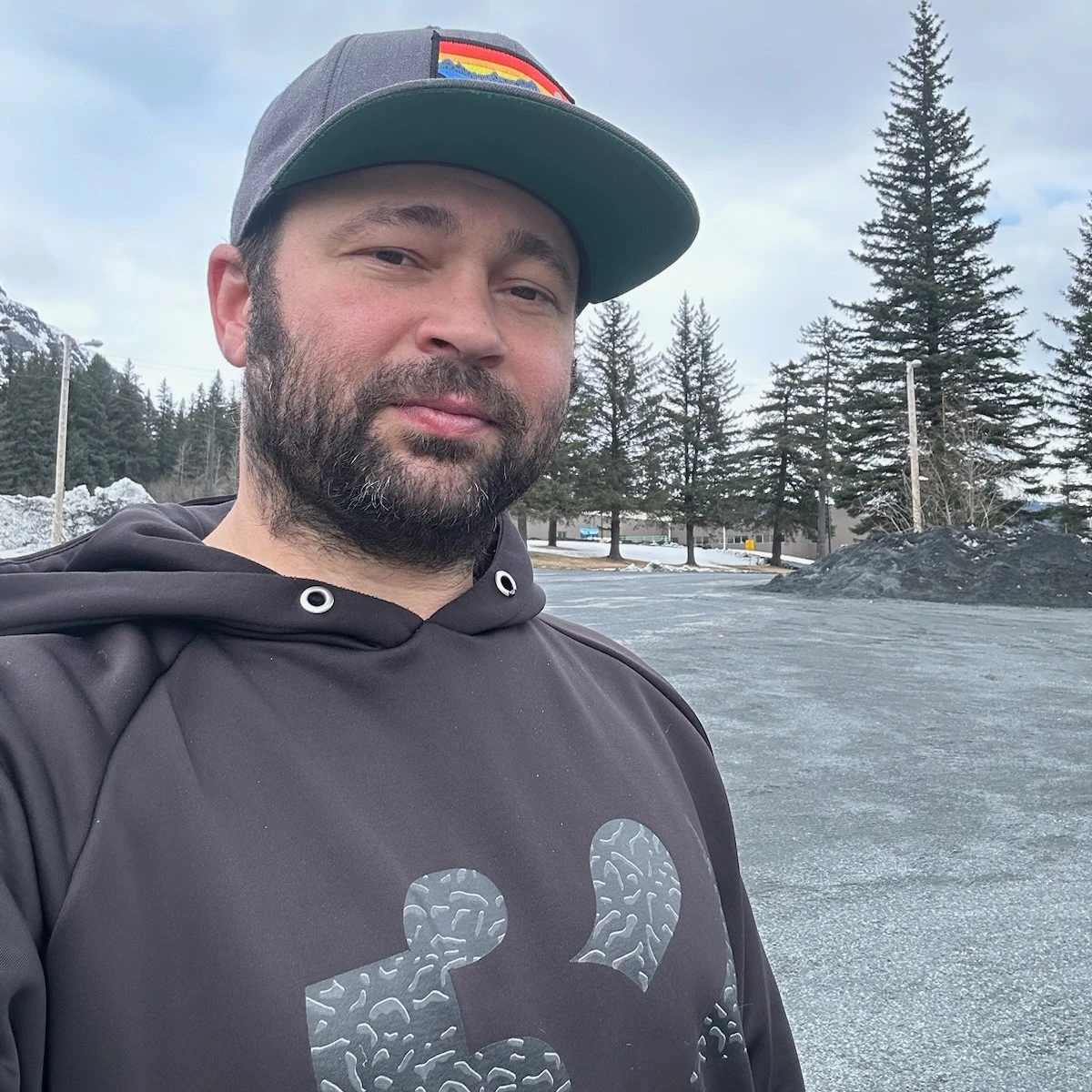
Erin Marbarger is the Senior Education Director and Director of Climate and Sustainability at the Anchorage Museum. And for the last six years Erin, Museum staff and schools and communities have been collecting soundscapes from around Alaska. Anchorage at first and then other locations like Nenana, Nuiqsut, Portage, Seldovia, Sitka and Soldotna. They recorded sounds from rivers to traffic. Everything that punctuates an otherwise quiet environment because much can be learned from these sounds — weather patterns, animal behavior, human activity. It all shapes the world we live in, both natural and manmade.
How about climate change, though, does that have a sound? This is a question Erin has been thinking about a lot lately. She says that one way we hear it is in the lack of sound, an animal that no longer exists in a certain area, for example. Acoustic Phenology — the study of how climate affects plants, animals and microbes — is another way we hear it. Like with Springtime, we begin to hear birds and all their different songs. So, it’s important to record these soundscapes because they’re always changing and sound can be a measure of change. The soundscapes recorded today, for instance, could be completely different than they will be in 50 or 100 years. These areas could be more developed, causing it to sound more urban or industrial. Or if human activity is reduced, it could mean more sounds of wildlife and nature. It all depends on how we treat the natural environment today.

 EP 098